
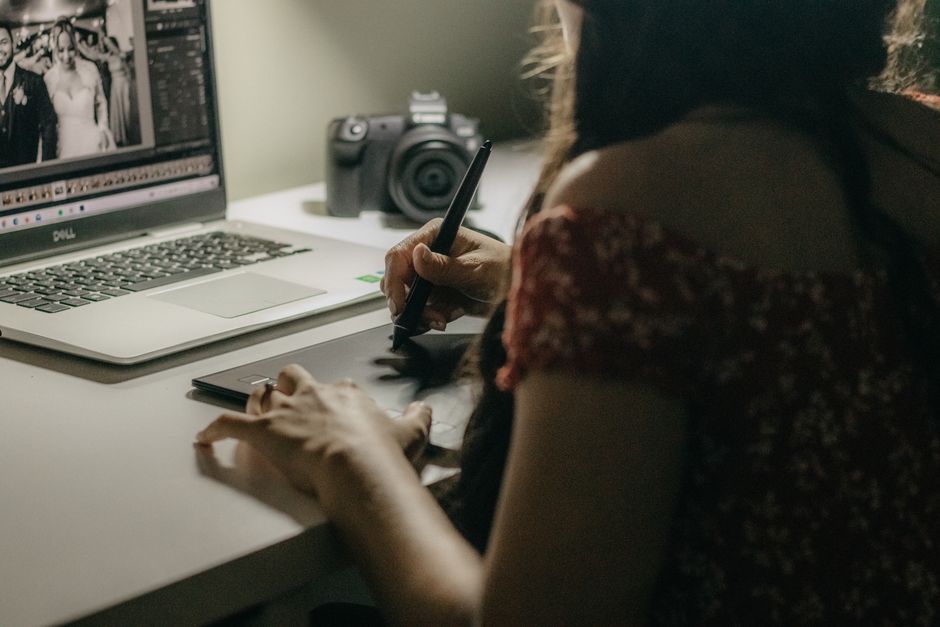
AI image tools have a reputation problem with photographers — they’re seen as the thing churning out fake stock and muddying the waters for real work. But used the right way, the best AI image generators for photographers aren’t about faking a shoot; they’re about extending one. Restyle a portrait into three moodboard looks, upscale an old low-res frame, clean a distracting background, or extend a crop that came in too tight. This guide ranks the tools we’d actually use, led by the one we keep coming back to, and frames each around what it does for a working photographer’s images — not against them.
TL;DR
- Mobbi.ai — best all-rounder for photographers. One subscription routes to Flux, GPT Image 2, and Nano Banana, plus image-to-image, editing, and upscaling — so your own photo is the input, not a text prompt from scratch. Free daily credits.
- Tov Studio AI Headshots — best free tool for instant professional headshots (LinkedIn, CV, team pages). Restyles attire, background, and lighting from a selfie and keeps your face. No signup.
- FLUX 1.1 Pro — best raw photorealism (skin, fabric, glass).
- Midjourney v7 — best for artistic, cinematic aesthetic.
- Ideogram v3 — best when the image needs readable text.
- Adobe Firefly — best for commercially safe output and Photoshop round-tripping.
- AI image generation augments a photographer — it restyles, repairs, and scales the images you shot; it doesn’t replace the shoot.
How AI image generators help photographers (not replace them)
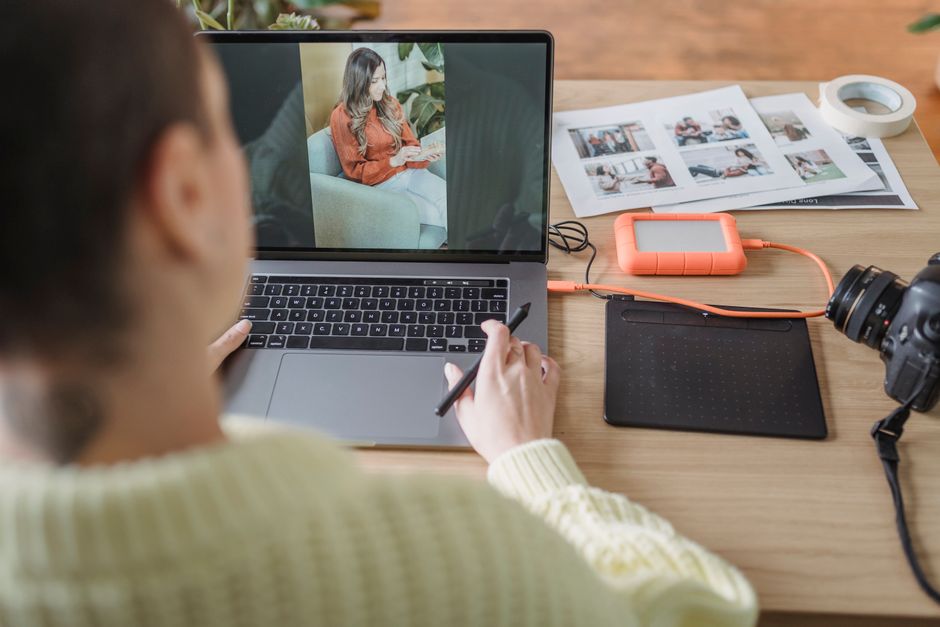
The version of AI image generation that threatens photographers is text-to-image — typing “a wedding couple at sunset” and getting a synthetic photo. That’s not what this is about. The version that helps you starts from your image and does things that used to take a retoucher or simply weren’t possible:
- Restyle for moodboards. Turn one engagement portrait into “light-and-airy,” “dark-and-moody,” and “film” variants to show a client a direction before the shoot.
- Upscale and restore. Rescue a low-res frame, an old client archive, or a tight crop and bring it up to print resolution.
- Background and object cleanup. Remove a stray exit sign, a photobomber, or a power line without hours of cloning.
- Generative extend. Open up a composition that came in too tight for the album spread or the print aspect ratio.
- Concept and pitch art. Generate set, styling, and lighting references for a shoot you’re proposing.
Every one of those sits on top of work you already do. It’s the same logic as adding motion with AI video generators — you’re turning the assets and skills you already have into more deliverables. It also pairs naturally with building AI moodboards for pre-pro, and knowing your way around AI detection tools so you can be transparent with clients about what’s generated and what’s shot.
Best AI image generators for photographers, ranked
1. Mobbi.ai — best all-rounder
Mobbi is a multi-model creative suite, and that’s exactly why it tops this list for photographers. Instead of paying for Midjourney, a Flux host, and a separate editor, you get Flux, GPT Image 2, Nano Banana, and Grok behind one subscription, plus image-to-image, in-platform editing, and upscaling. The image-to-image and editing tools are the point for our use: you feed in your own frame and restyle, repair, or extend it, so the output stays anchored to your composition and your client’s actual faces.
Why it’s first: it covers the whole photographer workflow — generate, restyle, edit, upscale — without juggling four logins, and a free daily-credit tier (no card) lets you test it on a real edit. GPT Image 2 inside it is also the strongest option here for near-perfect text rendering and 4K detail. Paid plans start around $9.90/month on a shared credit balance across image, video, and 3D. Honest caveat: credits deplete quickly under heavy use, and a dedicated single model can still edge it on a specific look.
2. Tov Studio AI Headshots — best for instant professional headshots
Our own free AI headshot generator is the specialist on this list. It does one job: turn a plain selfie into a polished, professional headshot by restyling only the attire, background, and lighting — never the face. It won’t restyle a wedding portrait or upscale an archive frame like the general tools here; but for a clean LinkedIn, CV, or team-directory headshot it’s the fastest free option — no signup, a result in about 20 seconds. Handy for photographers too: mock up a client’s headshot look on the spot, or refresh your own profile photo. See how to make an AI headshot →
3. FLUX 1.1 Pro — best raw photorealism
From Black Forest Labs, FLUX is the photorealism leader: believable skin with real pores and translucency, fabric that drapes with weight, glass that refracts correctly. If your priority is output that survives scrutiny next to a real photograph, FLUX is the default — and you can also reach it inside Mobbi if you’d rather not run it standalone.
4. Midjourney v7 — best artistic aesthetic
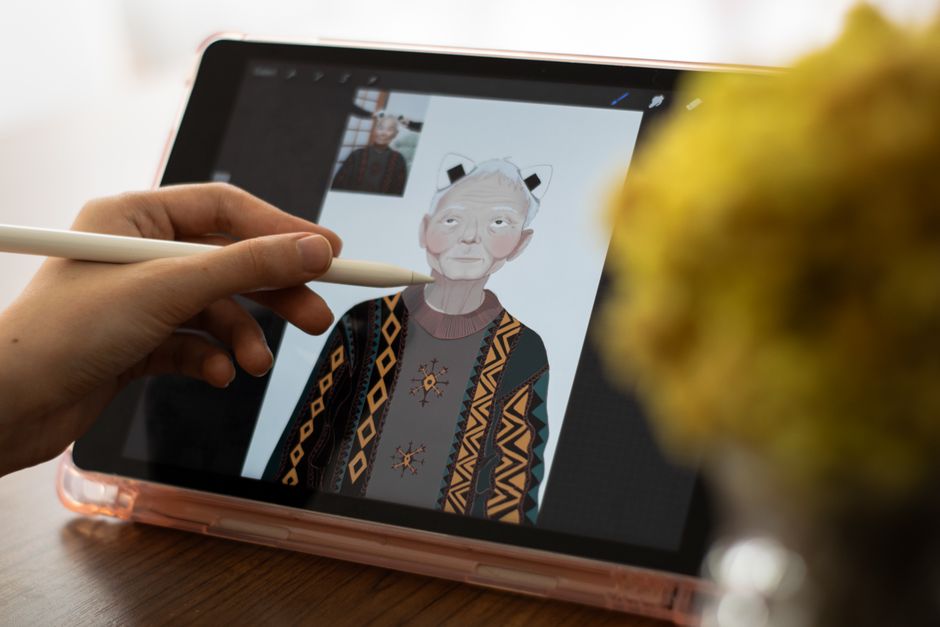
Midjourney v7 still produces the most visually arresting, cinematic output of any generator in 2026. It’s less about literal photorealism and more about mood and lighting, which makes it excellent for concept art, stylized promo pieces, and moodboard references — less so for “fix this client frame.”
5. Ideogram v3 — best for text in images
If your deliverable needs legible typography — a save-the-date, a branded social graphic, a logo mock on a product shot — Ideogram is the one generator that handles text reliably. Niche, but the clear winner in its lane.
6. Adobe Firefly — best for commercial safety + Photoshop
Firefly is trained on licensed and public-domain data, so its output is the safest for commercial client work where provenance matters. It also round-trips directly into Photoshop’s generative tools, which fits photographers already living in the Adobe ecosystem.
How to choose (a photographer’s lens)
Skip the leaderboard arguments and choose on what matters for client work:
- Image-to-image, not just text-to-image. The valuable workflow starts from your frame. Prioritize tools with strong image-to-image, inpainting, and upscaling over pure text generators.
- Photorealism vs. style. Repairing and extending real photos? Lean FLUX (or Mobbi routing to it). Concept and mood? Midjourney.
- Commercial provenance. If a client needs guarantees about training data, Firefly’s licensed model is the safe pick.
- Resolution and printing. For print delivery you want 4K-capable output and a clean upscale path — check the tool clears your photo printers‘ native resolution.
- One suite vs. many. A multi-model tool like Mobbi removes the cost and friction of separate subscriptions; specialists reward going deep on one look.
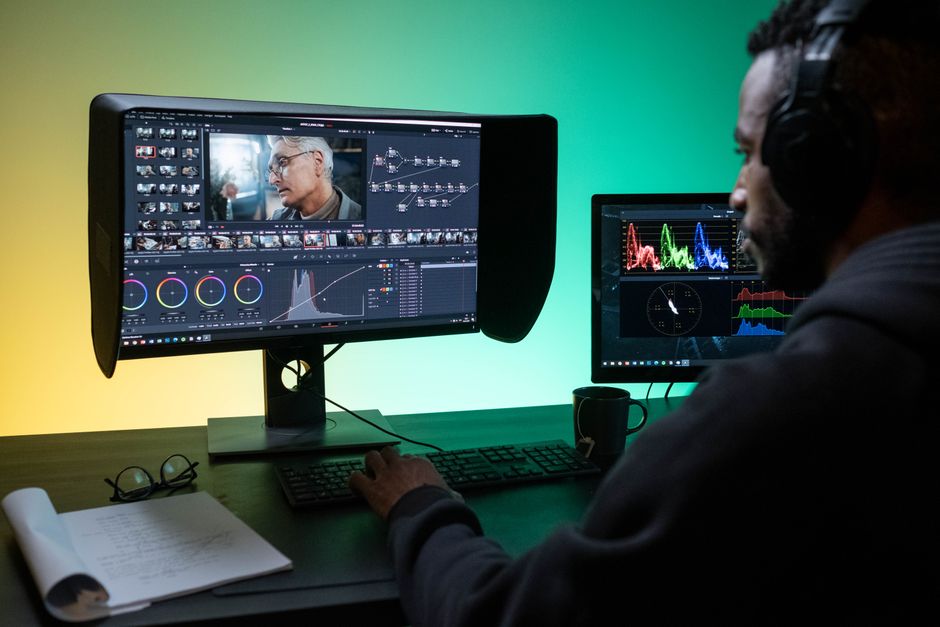
Whatever you choose, review output on a laptop built for editing with a calibrated screen, and be upfront with clients about what’s generated versus shot.
FAQ
Can AI image generators replace photographers?
No. For client work, the value is in restyling, repairing, upscaling, and extending images you actually shot — none of which exists without your shoot, your direction, and your relationship with the subject. Pure text-to-image makes synthetic stock; it doesn’t deliver a real client’s wedding or family.
What’s the best free AI image generator?
Mobbi.ai gives free daily credits with no card and bundles multiple models, so it’s the easiest to test across generation, editing, and upscaling. Adobe Firefly also has a free monthly credit allotment.
Which AI image generator is most realistic?
FLUX 1.1 Pro leads on raw photorealism, with GPT Image 2 (available inside Mobbi) close behind and stronger on text and 4K detail.
Is AI-generated imagery safe to use for paying clients?
Use Adobe Firefly when training-data provenance matters, keep generated elements to repair/extend rather than fabrication, and disclose what’s generated. For most photographers the safe path is editing your own frames, not inventing new ones.
Where to go next
Run one of your own frames through Mobbi.ai‘s free credits — restyle a portrait or upscale an old archive shot — to see whether AI image tools earn a place in your workflow. Then add a specialist like FLUX or Firefly if a particular deliverable demands it. The goal isn’t to replace the photo you took; it’s to do more with it. And if you (or a client) just need a clean headshot fast, our free AI Headshot Generator turns a selfie into one in seconds.