
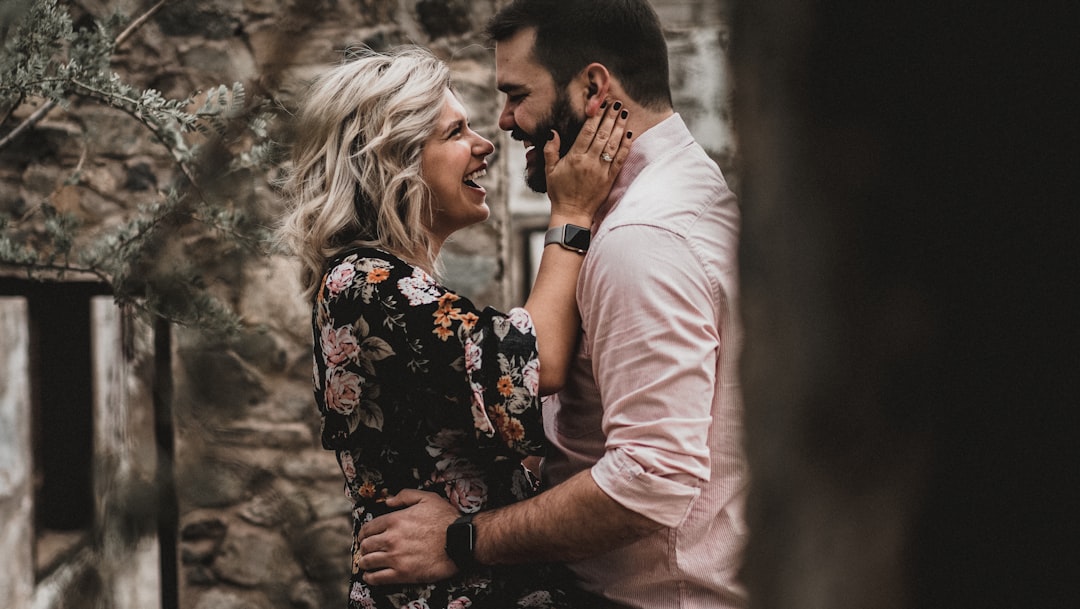
Your engagement shoot produces the photos that will sit on your save-the-dates, your wedding website, and eventually on your mantle. The single biggest determinant of whether you love the results isn’t the photographer or the location — it’s what you wear. This guide on what to wear to an engagement shoot walks through outfit combinations that actually photograph well, color palettes for different environments, and the common mistakes that ruin galleries.
TL;DR
- Coordinate, don’t match — complementary palettes beat identical outfits.
- Plan two outfits: one casual (jeans, knit, chinos) and one elevated (dress, jacket).
- Avoid bold logos, busy patterns, pure white, and pure black.
- Test outfits on camera before the day — phone photos reveal what mirrors don’t.
- Match outfit formality to location, not to Pinterest fantasy.
The Core Principle: Coordinate, Don’t Match
Wearing identical outfits (“matchy-matchy”) is an outdated approach that reads stiff on camera. Modern engagement photography favors coordination: palettes that harmonize without repeating.
Good coordination works like this:
Person A: cream sweater, camel pants.
Person B: soft blue shirt, dark denim, cream jacket.
Both palettes pull from the same family (warm neutrals with a cool accent), but neither outfit is a copy of the other. The couple reads as a visually connected unit, not as twins.
Bad coordination: both in navy blue. Both in white. Both in chambray shirts and jeans. It looks like a uniform, flattens out, and photographs dull.
Color Palettes That Work
Three palette families produce reliably strong engagement photos.
Warm neutrals. Cream, camel, rust, soft brown, olive. Flatters most skin tones, reads timeless, works in any season. Pairs well with golden-hour outdoor light and rustic venues.
Cool neutrals with accent. Soft gray, navy, muted blue, with a warm accent (burgundy, mustard, soft pink). Works for urban settings, architecture, and overcast-light sessions.
Earth tones. Forest green, terracotta, mustard, mocha. Strong for outdoor sessions in nature — forests, parks, beaches in fall/winter.
Avoid: neon, bright primary colors (unless deliberately editorial), pure black (eats detail), pure white (blows out and reads bridal), all-denim on both people (doubles the weight of the look).
Two Outfits Per Person
Most engagement sessions run 60–90 minutes, which gives time for one outfit change. Planning two outfits per person expands the gallery meaningfully.
Outfit 1: Casual. Jeans + knit or button-down. Chinos + soft sweater. Midi skirt + fitted tee + cardigan. Easy movement, comfortable, reads “everyday us.”
Outfit 2: Elevated. Dress or jumpsuit + jacket. Tailored pants + blouse or shirt. More formal version of the casual outfit. Reads “celebration.”
Plan the change so outfit 2 goes on after the casual shots — it’s easier to go casual → elevated than the reverse. Bring outfit 2 in a garment bag so it arrives uncrumpled.
For sessions in a location requiring travel time between spots (urban environment + park), plan outfits around the environments. Casual outfit in the park, elevated in the architectural urban setting.
What Patterns Actually Photograph Well
Patterns are where engagement shoots most often go sideways. Most patterns that look great in person look chaotic on camera.
Patterns that work:
Subtle texture — cable knits, ribbed sweaters, linen weaves. Add visual interest without competing with faces.
Small-scale prints — small florals, ditsy prints, fine stripes. Read as “character” without overwhelming.
Single statement pattern on one person, solid on the other. One person in a soft floral dress, the other in solid cream = balanced. Both in prints = visual war.
Patterns that don’t work:
Thin stripes and tight houndstooth — moiré on digital sensors, creates weird visual vibrations.
Bold graphics and logos — date the photo to the year of the clothing and pull focus from faces.
Large color-blocking — reads as a costume rather than an outfit.
Matching prints — both in floral or both in plaid reads theme-park.
Fabric and Fit
Fabric matters more than people think. The right fabric moves well on camera; the wrong one sits dead.
Fabrics that photograph well. Linen, cotton, wool knits, silk, soft cashmere, raw denim, heavy chambray, suede. They move, catch light, show texture.
Fabrics to avoid. Shiny polyester (reflects badly), anything with sequins (catches weird light and dates immediately), sheer fabric without proper layering (exposes bra/shapewear lines you don’t want documented), overly crisp shirts (look stiff).
Fit. Fitted but not tight. Gaps, bunching, and pulling show on camera worse than in mirrors. Get clothes tailored if needed — a USD 30 alteration can save a session.
Test the outfit walking, sitting, and hugging before the day. Many engagement outfits look great standing still and show problems in movement.
Seasonal Considerations
Spring. Layers work well — light sweater over collared shirt, jacket you can remove. Soft pastels and neutrals photograph beautifully in spring light. Avoid heavy coats that bulk the silhouette.
Summer. Light fabrics, flowing dresses, rolled sleeves. Watch heat carefully — bright noon sun in white tees produces harsh results. Schedule golden hour for summer shoots.
Fall. The optimal engagement season visually. Warm neutrals against turning leaves, layered knits, boots, scarves. Rich earth tones.
Winter. Coats become part of the outfit. Invest in quality outerwear that fits well — puffy logo-covered parkas date instantly. Cashmere coats, wool overcoats, peacoats photograph well. Consider leather gloves and minimal scarves.
For tropical markets (Singapore, tropical Australia, parts of Southeast Asia), seasonal rules don’t apply. Instead, plan around humidity and the practical reality that heavy makeup melts and hair frizzes in outdoor shoots.
Grooming and Details
Hair. Cut 7–10 days before the shoot, not the day before. Fresh cuts often look rigid. Consider a professional blowout for the day — it photographs better than daily styling.
Makeup. One level up from daily. Matte, not dewy (highlights become hot spots). Defined eyes and lips. Test the look with phone photos the week before to confirm it reads well.
Nails. Cleaned and manicured, even for people who don’t usually wear polish. Hands show prominently in engagement shots. Ring hand especially.
Shoes. Comfortable enough for the location. Heels on a dirt path is a common mistake — the photos will show you avoiding puddles, not enjoying the moment.
Accessories. Minimal. Wedding-band precursors to the engagement ring (no statement rings competing), simple earrings, no distracting necklaces. Jewelry should support, not dominate.
Location-Based Outfit Decisions
Match outfit formality to location. A formal dress in a wildflower meadow looks staged. Jeans on a grand staircase look underdressed.
| Location Type | Recommended Formality | Palette Notes |
|---|---|---|
| Beach / coastal | Casual, flowing | Light neutrals, soft blues |
| Forest / park | Casual to smart-casual | Earth tones, rust, olive |
| Urban / architectural | Smart-casual to elevated | Cool neutrals, navy, black as accent |
| Rooftop / sunset | Elevated, stylish | Rich jewel tones, deep burgundy |
| Home / in-home | Relaxed, personal | Soft neutrals, lived-in fabrics |
| Historic estate / manor | Formal, timeless | Classic palettes, muted jewel tones |
Still deciding on location and style? Our wedding photography styles explained guide helps align location choice with the aesthetic you want in the final gallery.
Common Mistakes to Avoid
Buying new outfits you’ve never worn. New clothes rarely sit right. If you must buy, do it 2 weeks out and wear them once before.
Dressing too much in a category you don’t usually wear. If you’re not a formal-dress person, don’t force yourself into one. Photos where you look uncomfortable are obvious.
Overly on-theme outfits. “Western themed” or “rustic chic” styling often ages poorly. Neutral palettes age better.
Ignoring the season. Light linen in November, heavy wool in July — both read wrong.
Forgetting the other person’s outfit exists. Each person shopping alone often produces clashes. Plan together or share photos.
Going too bridal. Save the white dress for the wedding. An all-white engagement look previews the bigger day in a way most couples later wish they hadn’t.
Underdressing. “Casual” doesn’t mean sweats and an old tee. It means thoughtful everyday clothing — fitted, clean, recent.
Bring-Along Kit
What to actually pack for the shoot:
- Outfit 2 in a garment bag.
- Spare shoes — heels for the formal look, flats for walking between locations.
- Lint roller. Critical for dark fabrics.
- Safety pins and double-sided tape for last-minute fit adjustments.
- Blotting papers and compact for midday shine.
- Lip balm and tinted lipstick for touch-ups.
- Water and a small snack. 90 minutes of smiling burns more energy than you expect.
- A hair comb and hair spray if hair is styled.
- Hand cream — hands show in engagement rings shots.
- Your ring, obviously. (Surprisingly common to forget.)
Pre-Shoot Test
The day before the shoot, do a 5-minute test:
Put on the exact outfit, makeup, and hair you’ll wear.
Stand by a window in daylight.
Have your partner take phone photos at various angles — wide, mid, close-up.
Check the photos for anything you couldn’t see in the mirror: fabric that pulls awkwardly, a color that photographs duller than expected, visible undergarment lines.
Swap or adjust before the actual shoot. This five-minute test catches 80% of wardrobe regrets.
Ring Detail Shots
Most engagement sessions include ring detail photos. The ring is the focus, but hands and environment frame it.
Tips:
Moisturize hands the night before. Dry cuticles show.
Manicure both hands — the ring hand especially.
Avoid heavy bronzer on hands that looks orange on camera.
Tell the photographer if you want specific ring shots (solo ring, ring in hand, ring with partner’s hand). They’ll plan the shot accordingly.
Coordinating Across Cultures
For couples planning cultural or traditional engagement sessions, outfits carry additional meaning. Traditional attire for pre-wedding sessions is common in Singapore, India, China, and Korea. The coordination principle still applies — palettes that harmonize between the two outfits — but pattern complexity and formality scale up.
Singapore pre-wedding shoots often include multiple outfit changes across a session: traditional, modern formal, casual. Our Singapore wedding photographers list includes studios specializing in multi-outfit pre-wedding packages with styling included.
After the Shoot
Once the gallery arrives, resist the urge to critique every frame against your expectations. Engagement photos capture a specific feeling — the anticipation before the wedding — that looks different from the polished wedding-day portraits. The casual intimacy is the point.
If you’re still finalizing a photographer for the wedding itself, browse our wedding photographer directory — many couples use their engagement photographer’s work as the decisive factor in whether to book them for the wedding. Our how to choose a wedding photographer guide walks through how to make that call.
For portrait work beyond the engagement itself — family, parents, bridal parties — the portrait photography hub covers options in your market.
Dress for the version of yourselves you want to remember being, not for a Pinterest board. That’s the gallery you’ll still love in ten years.