
The single biggest gap in most photographers’ revenue is wall art. Couples and families pay a five-figure session fee, receive a digital gallery, and never print anything larger than an Instagram post. The photographer is left with a transactional relationship and zero recurring revenue. This guide is a working framework for fine-art wall art upsell scripts in 2026, covering the in-person sales (IPS) model, the physical viewing-room setup, the sample-size walkthrough that converts, and the actual word-for-word scripts that move a digital-only client into a print-buying client.
TL;DR
- Wall art upsell happens at a structured ordering appointment, not by email link, and not “whenever you’re ready.”
- Show a physical sample wall with three sizes (16×24, 24×36, 30×40) before any pricing conversation.
- Lead with emotion (the image), follow with size context (the sample wall), close with package math.
- The 30×40 hangs as the centerpiece; the smaller sizes are secondary purchases, not standalone offerings.
- Average wall-art sale at a structured IPS appointment runs three to seven times the digital-only revenue.
Why fine-art wall art upsell exists in the first place
Photographs lose meaning when they live only on a hard drive. The family who paid for a session in October will tell themselves they will print “soon,” and three years later the gallery is unopened and the kids have aged out of the haircuts. The photographer who only delivers a digital gallery is not greedy or inconsiderate; they are simply leaving the strongest emotional moment of the relationship on the table. Wall art changes the math.
Industry surveys (PPA’s annual cost of doing business benchmarks) consistently show that photographers who run structured in-person sales appointments report average sales between USD 1,800 and USD 4,500 per family session, while digital-only photographers report USD 600 to USD 1,200. The difference is not the photographs. It is the conversation that happens after the photographs are made. The fine-art wall art upsell is that conversation.
The IPS model: structured ordering appointments
In-person sales is the framework: a scheduled ninety-minute appointment two to three weeks after the session, at the photographer’s studio or the client’s home, where the gallery is reviewed together and the wall art order is placed. The client does not see the gallery before this appointment. The reveal is the moment, and that moment is what the script is designed around.
This is the most important structural decision in the whole framework. If clients see the gallery on a sneak-peek email two days after the shoot, the emotional charge of the reveal is gone, and the IPS appointment becomes a logistical conversation about discount codes. Hold the gallery. Schedule the appointment at the time of booking, before the session even happens, so the client expects this rhythm. For the wedding-side equivalent see our heirloom wedding album guide.
The viewing room setup
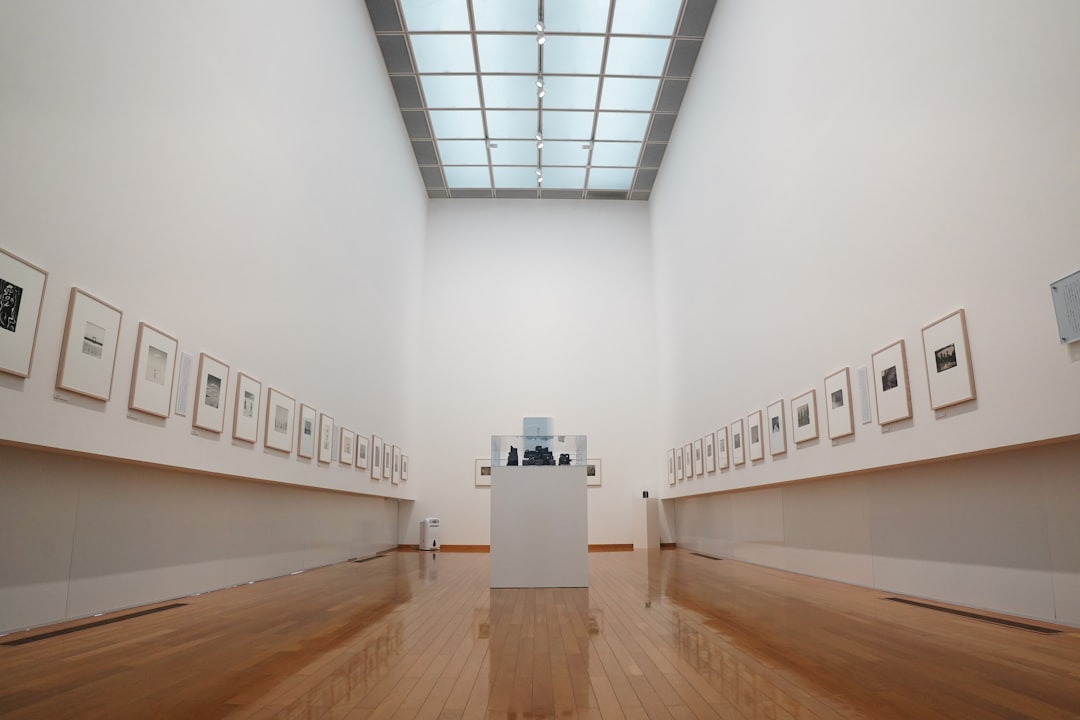
The physical space matters. A viewing room is a small, quiet space (a corner of a studio, a converted bedroom in a home studio, a rented hotel meeting room for traveling photographers) with three things on the walls: a 16×24 framed print, a 24×36 framed print, and a 30×40 framed print. These are sample images, not the client’s images. They serve a single purpose: to teach the client what each size actually looks like at hanging distance.
Most clients have no intuition for print size. They see a 16×24 in a magazine ad and imagine it as wall-filling; they walk into the viewing room and realize a 16×24 looks like a small piece of personal art on a hallway wall. This is not a manipulation. It is honest education. People buy bigger when they see bigger, because they understand the size that actually makes a room feel intentional.
The walkthrough script: emotion first, size second, math third
The script runs in three movements. The first movement is the gallery reveal. Open the gallery on a large screen (an iPad mounted on a wall is enough), play a slideshow of fifteen to twenty hero images set to a soft instrumental track, and say almost nothing. The client cries, laughs, or both. This is the moment the photographs become real. Do not interrupt with pricing.
The second movement is the size walkthrough. After the slideshow, walk to the sample wall and ask: “When you hang one of these in your living room, where would you put it?” The client points to a wall. Ask: “Which size feels right for that wall?” Almost everyone will gesture toward the 24×36 or 30×40. The third movement is the math: “Let’s pull up your favorite five frames and see how each one looks at the size you mentioned.” This is where individual orders are configured. The script never opens with price.
The actual word-for-word openings
The opening lines of an IPS appointment matter because they set the emotional register. Three openings that work, paraphrased here so you can adapt them to your voice:
One: “Before we look at numbers or sizes, I want to show you the work. Just the photographs, nothing else, for the next five minutes. Then we’ll figure out which ones live on your walls.” This frames the appointment as a creative review, not a sales call. Two: “I held the gallery so we could see it together for the first time. The images are best on a screen this size, with the right music, and with you here. Ready?” This signals respect for the client’s investment in the process. Three: “Most clients tell me the part they remember from this whole experience is this hour. Not the session, not the delivery. This. So I want to do it well.” This is honest and tracks with what clients consistently report.
Handling the “we’ll just take the digital files” objection
Some clients will say at the start of the appointment that they only want the digital gallery, no prints. The response is not to argue or to discount. The response is: “Of course. Let’s still do the gallery walkthrough together, because it’s the most fun part for me, and then if you decide you only want digital, that’s a clean conversation.” Almost no client refuses this. Once they sit through the slideshow and see the sample wall, the print conversation tends to start itself.
If after the walkthrough they genuinely want digital only, deliver it cleanly without a guilt trip. They will refer other clients who do want prints, and the relationship stays intact. The photographers who lose business at IPS are the ones who push too hard at this objection. Hold the line on the structure (slideshow plus sample wall plus discussion) but never on the outcome.
Decision aid: package vs a-la-carte
| Package structure | Average sale | Conversion rate | Best for |
|---|---|---|---|
| A-la-carte digital + print menu | USD 800–1,500 | Low pull-through | Photographers new to IPS |
| Tiered packages (digital + print credit) | USD 1,500–3,000 | Mid pull-through | Family + portrait photographers |
| All-print collections (digitals included) | USD 2,500–5,000 | High pull-through | Established photographers |
| Heirloom wall-art collections (3-piece sets) | USD 4,000–8,000 | High pull-through with IPS | Luxury-positioned photographers |
| Custom commission (single hero piece) | USD 1,200–3,500 | High pull-through | Fine-art portrait specialists |
The three-piece wall set as the default offering
The single most powerful upsell unit is the three-piece wall set: one 30×40 hero, two 16×24 companion pieces, framed and ready to hang as a coordinated wall arrangement. Price the set as a single package (typically USD 2,500–4,500 depending on framing and market), which is roughly thirty percent less than buying the same three pieces individually. The math works for both sides: the client gets a coherent wall arrangement at a savings, and the photographer locks in a higher-than-average sale.
Show the three-piece set first on the sample wall, before any other configuration. Most clients will choose this option because it is the default and because it solves a problem they did not articulate (what do I actually do with these photographs at home). The remaining clients will customize the configuration, which is fine. The default does the work. The family photographer hub tracks how this structure scales across markets.
Setting the appointment at booking, not after the session
The biggest mistake is treating the IPS appointment as a follow-up rather than a step in the process. Set the appointment date at the time of session booking, on the same calendar as the shoot date. The contract should specify both: “Session on March 15, ordering appointment on April 5.” This frames the appointment as part of the package, not as a sales call the client can decline. Our couples questionnaire framework applies the same booking-stage clarity to wedding work.
Send a reminder one week out with the location, the duration (ninety minutes), what to bring (room measurements and a phone with photos of the room where the prints will hang), and a soft note about who else to bring (partners, decision-makers, but not children, who will distract from the slideshow). Clear logistics produce calm appointments.
The post-appointment workflow
After the appointment, the order is finalized in writing within twenty-four hours: a clear invoice with each item priced, the lab and frame style, the production timeline, and the delivery method. Payment in full at appointment or split across two installments are both acceptable; payment plans beyond two installments tend to introduce friction and delayed completion. For album components see our album proofing workflow and our photo delivery method comparison.
Production timelines vary by lab. WHCC and Millers run two to three weeks for framed wall art; Bay Photo and Printique run one to two weeks for unframed prints. Communicate the timeline at the appointment so the client is not surprised by a six-week wait. The pricing structure for IPS work integrates with the broader seasonal pricing structure for couples who book during peak season.
Closing
Fine-art wall art upsell is not a manipulation; it is the missing half of the photographer-client relationship. The photographs already exist. The client already cares. The IPS appointment is the structure that turns those facts into a piece of art on the wall. Done well, it triples the average revenue per session and produces clients who hang the work and refer their friends. Done casually, it stays a vague sales objective that never gets executed. Build the script, build the room, hold the gallery, run the appointment.