
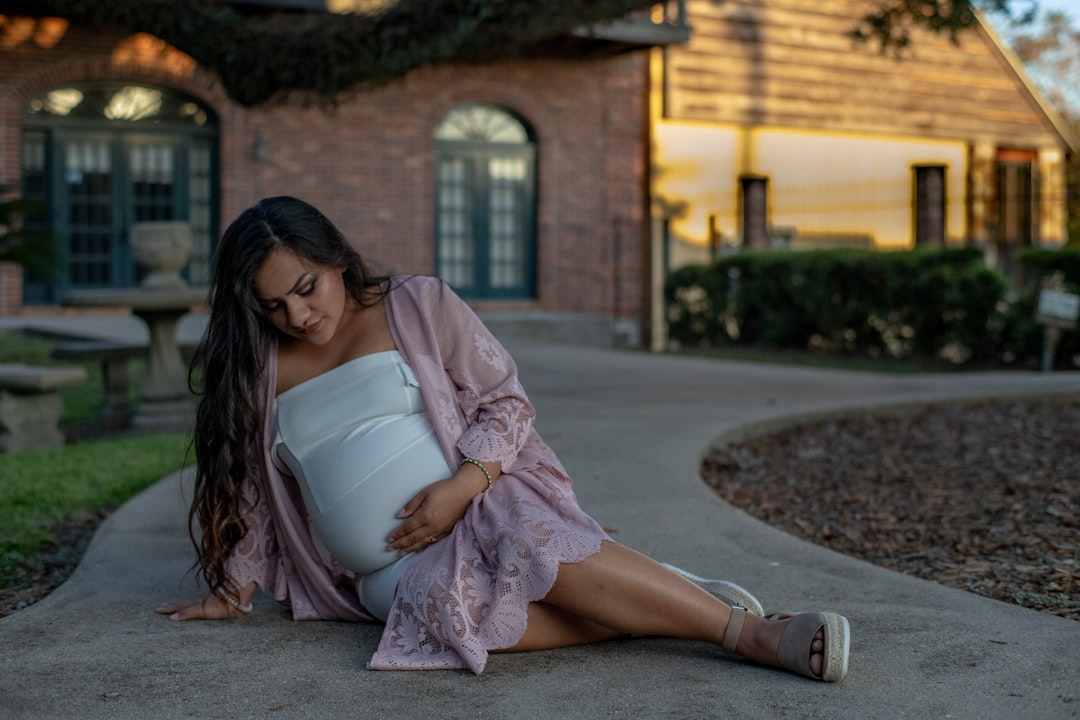
Every maternity photographer gets the same question in the first consultation: “When should we book the shoot?” The short answer — weeks 28 to 34 — is right for most pregnancies, but it hides real tradeoffs. Book too early and the bump is not yet visually distinct. Book too late and the mother is uncomfortable, swollen, and at higher risk of going into labor before the session. This guide on maternity photography optimal timing walks through the evidence-backed sweet spot, the tradeoffs at each trimester, the scheduling buffers that protect both parties, and the specific situations (twins, high-risk pregnancies, bed-rest orders) where the default window shifts.
TL;DR
- Weeks 28 to 34 is the optimal window for most singleton pregnancies.
- Twin pregnancies shoot earlier, typically weeks 24 to 28.
- First-trimester shoots exist (announcement sessions) but emphasize mother over bump.
- Book the session at 12 to 20 weeks gestation to secure the photographer; hold the specific date flexible until 24 weeks.
- Build a 10-day rescheduling buffer for illness, swelling, or early labor signs.
Why weeks 28 to 34 is the maternity photography optimal timing window
The 28-to-34-week window hits the visual and physical sweet spot. The bump is rounded and distinct (usually measuring at 28 to 40 cm in fundal height), maternal skin is fully stretched but not yet itchy or uncomfortable, the mother typically still has energy for a 60 to 90 minute session, and the risk of spontaneous labor is low for a term singleton pregnancy.
Before week 28 the bump often reads as ambiguous on camera, especially for first pregnancies where abdominal muscles are still doing some of the work. After week 34 the bump is large but the mother is frequently dealing with swelling in the face, hands, and feet, shortness of breath on exertion, and fatigue that makes a 90-minute session exhausting. Week 37 is when most providers start discussing delivery timing, and photographers should not be booking first-time clients into that zone.
Maternity photography optimal timing is one of those rare areas where the industry consensus and the medical guidance line up cleanly. Healthcare providers will almost always support a photography session at 28 to 34 weeks as long as the pregnancy is uncomplicated.
Trimester-by-trimester tradeoffs
There are three photographable windows in a pregnancy and each has a distinct purpose.
First trimester (weeks 6 to 13): the announcement shoot. Used to photograph the pregnancy reveal. Bump is not visible; the session is about the mother’s face, the partner’s involvement, and props like ultrasound printouts or lettered blocks spelling “baby 2026.” Sessions are shorter (30 to 45 minutes) and more editorial. Often delivered as a set of 5 to 10 images rather than a full gallery.
Second trimester (weeks 14 to 26): energy peak but small bump. The mother usually feels best in the second trimester — morning sickness has passed, the bump is showing but small, energy is high. Sessions here work for active maternity content (hiking, beach, movement-based poses) where the bump is secondary to the mother’s expression and movement. Not the default window but viable for clients who want less-posed imagery.
Third trimester (weeks 27 to 38): the hero window. Week 28 onward delivers the sculptural bump silhouette that defines maternity photography. Weeks 28 to 34 is the photography industry default. Weeks 35 to 37 are possible but require closer communication with the client’s healthcare provider. Week 38 onward is generally off-limits because labor risk is too high.
Special cases: when the default window shifts
The standard 28-to-34-week window assumes a singleton pregnancy with no complications. Several real situations shift the timing.
Twin and multiple pregnancies. Twin pregnancies show earlier and deliver earlier. Book twins for weeks 24 to 28. By week 30 many twin mothers are already on modified activity and uncomfortable for a full session. Triplet and higher-order multiples may need a further-forward shift to weeks 22 to 26.
High-risk pregnancies. Gestational diabetes, preeclampsia, placenta previa, or a history of preterm labor may require clearance from the healthcare provider before any session. Always ask in the pre-session questionnaire. Do not assume. Sessions may need to be shorter (30 to 45 minutes), closer to home, or conducted in-home instead of on-location.
Bed rest or activity restrictions. In-home sessions with minimal movement. The photographer travels to the client. Sessions are 30 to 45 minutes, composed of seated and reclining poses only. Standing poses are excluded.
IVF and fertility-journey pregnancies. Emotional sensitivity is the main consideration. Some clients want announcement shoots at 12 weeks (after the first ultrasound), others wait until week 20 after the anatomy scan. Let the client lead the timing conversation.
Booking windows: securing the photographer versus locking the date
Two timelines run in parallel. One is when the client engages the photographer. The other is when the specific session date is locked.
Photographer booking: 12 to 20 weeks. Book the photographer at some point between weeks 12 and 20 of the pregnancy. This gives the photographer early visibility and lets the client reserve a spot in the photographer’s calendar without committing to a specific session date.
Session date locking: 24 to 26 weeks. At 24 to 26 weeks, confirm the specific session date, typically 4 to 6 weeks out. This is far enough ahead to coordinate wardrobe, location scouting, and any assistant logistics, and close enough to the session that the mother’s physical state is predictable.
Rescheduling buffer: 10 days. Build a 10-day reschedule buffer into every maternity contract. The mother may be sick, develop unexpected swelling, or be advised by her provider to reduce activity in the final weeks. A 10-day window lets you reschedule once without penalty.
For the full contract, deposit, and pricing structure that surrounds the timing, see our maternity photography pricing guide.
First-trimester shoots: a different kind of session
First-trimester or announcement maternity sessions are a growing category in 2026. The session is conceptually closer to a branded portrait than a traditional maternity shoot.
Typical setup: 30 to 45 minutes, usually at a home or a curated outdoor location, with the partner and sometimes older siblings. Composition emphasizes the mother’s face, hands on a small or invisible bump, and thematic props. Delivery is often a set of 8 to 15 images rather than a full 60-image gallery.
Pricing for announcement sessions sits at USD 400 to 800 in most US markets, distinctly below traditional third-trimester sessions (USD 600 to 1,500+). Some clients book both — announcement at 10 to 13 weeks, traditional maternity at 30 to 32 weeks — which doubles photographer revenue on a single family.
Scheduling around weather and season
Outdoor maternity sessions work best in two seasonal windows: late April to early June (spring greenery, comfortable temperatures) and mid-September to late October (autumn foliage, cool enough for flowing fabrics). Summer outdoor sessions work early morning (6 to 8 am) or late evening (6 to 8 pm) in most climates because midday heat is dangerous for a pregnant mother and uncomfortable on camera (sweat, redness).
Winter outdoor sessions are possible with proper wardrobe and planning but add timing stress. Daylight is short, outdoor temperatures below 50°F (10°C) limit how long bare-bump poses can last, and slippery surfaces add fall risk. Most photographers shift winter maternity to studio.
Match the optimal gestational window to the seasonal window when possible. A January-due client should shoot outdoors in October (week 30 to 32, autumn color); a July-due client should shoot outdoors in late May (week 32 to 34, spring greenery). Plan backwards from the due date.
Communicating timing to the client
The photographer-side tendency is to be prescriptive (“we shoot at 30 to 32 weeks, period”). The client-side reality is that every pregnancy has nuances the photographer does not see until the consult. A better communication approach:
Ask at inquiry: “What’s your due date and is this a singleton pregnancy? Any medical considerations we should know about?”
Propose a window, not a date: “Based on your due date, I recommend a session between [week 29] and [week 33] of your pregnancy, which falls between [date range].”
Lock the specific date 6 weeks out. Reconfirm 10 days out with a quick check-in on how the mother is feeling.
Decision table: timing by pregnancy type
| Pregnancy type | Optimal weeks | Session length | Indoor or outdoor |
|---|---|---|---|
| Singleton, uncomplicated | 28 to 34 | 60 to 90 min | Either |
| Twins | 24 to 28 | 45 to 60 min | Either, prefer indoor |
| Triplets or higher | 22 to 26 | 30 to 45 min | Indoor preferred |
| High-risk singleton | 26 to 32 (MD clearance) | 30 to 45 min | In-home or studio |
| Bed rest | As medically allowed | 30 to 45 min | In-home |
| Announcement (first tri) | 10 to 13 | 30 to 45 min | Either |
When timing fails: running a session at week 36
Sometimes the session gets pushed to week 36 or later — rescheduled sickness, late booking, or simple scheduling reality. It can still work. Keep the session shorter (45 minutes maximum). Shoot in a climate-controlled space. Favor seated and reclining poses over standing. Have water, snacks, and a bathroom within 30 seconds. Our maternity posing guide has the pose variations that work late in the third trimester without adding physical stress.
If the mother is more than one week past due during the photographer’s attempt to reschedule, release the deposit to a post-birth newborn session instead. Do not push a session at week 40.
Families deciding between maternity and waiting for a newborn session often start at how to choose a family photographer and then narrow to the maternity photographers hub once they have clarified what they want to document. Many book both. The key is planning the timing correctly so the maternity session lands in the 28 to 34 window and the newborn session falls in the first two weeks after birth. For the full budgeting picture, see the maternity photography cost pillar.
Some links in this article point to our service hubs and other guides on Tov Studio.