
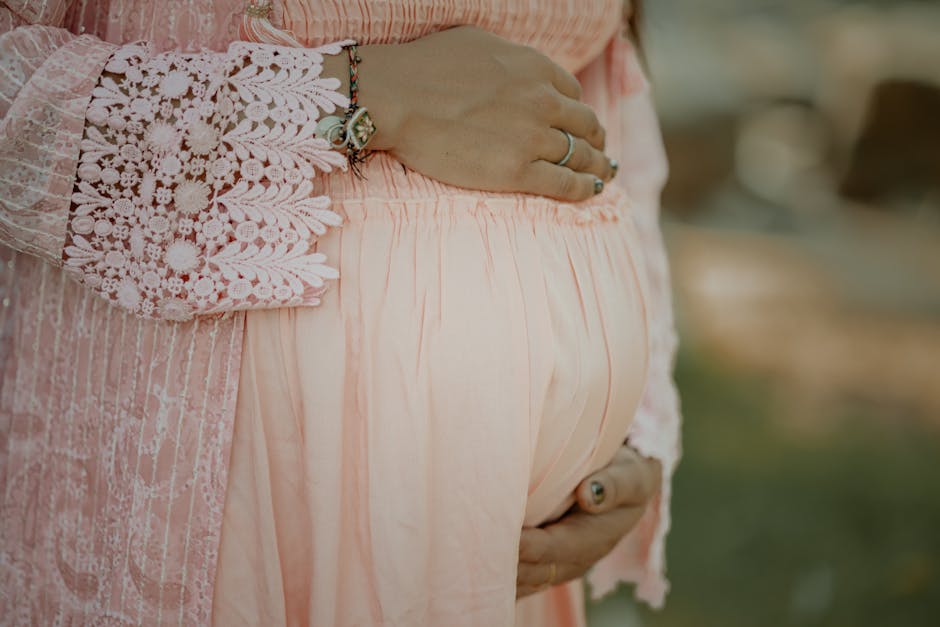
Maternity outfit planning runs into two problems most clients don’t anticipate: pregnancy size shifts week to week, and most regular wardrobe doesn’t photograph the bump the way you’d hope. These maternity photo outfit ideas focus on what actually works at weeks 28 through 36 — the standard shoot window — and how to plan a small, well-fitted lineup that reads variety on camera without forcing you to buy half a closet you’ll never wear again.
TL;DR
- Plan two to four outfits: one flowy, one fitted, one personal, and one optional wildcard.
- Rent maternity-specific pieces rather than buying — most clients only wear them once.
- Coordinate with your partner through a shared palette, not identical outfits.
- Try everything on at week 26 to 28, then again one week before the shoot.
- Studio sessions handle white and light tones; outdoor sessions favor earth tones and jewel tones.
How to structure your maternity photo outfit ideas into a lineup
The most common mistake in maternity outfit planning is packing too many similar pieces. Three flowy gowns in different colors all photograph the same way; a flowy gown, a fitted dress, and a bump-baring two-piece show the pregnancy from three distinct angles.
Plan for three visual categories in the lineup: one outfit that shows the bump silhouette with softness (gown or robe), one that shows the bump with fit (bodycon, fitted dress, or two-piece), and one that reads like real clothes you’d actually wear (jeans and a fitted top, a sundress, a partner’s button-down). A fourth optional slot can be a meaningful piece — a family heirloom, a wedding dress, a specific jacket.
Outfit one: the flowy gown
The flowy maternity gown is the single most photographed maternity look for a reason. It silhouettes the bump, moves beautifully in motion shots, and flatters every body type.
Fit principles. Look for an empire waist or under-bust seam that sits just above the bump. The skirt should flow without pooling; a length that hits mid-shin to ankle works for most heights. Sleeve options range from bare-shoulder to long lace; long sleeves tend to photograph most dramatically in outdoor sessions.
Color. Rich earth tones (terracotta, rust, mustard, forest green) photograph beautifully outdoors. Neutrals (cream, champagne, dusty rose, soft taupe) work across both studio and outdoor settings. Black gowns read dramatic and timeless.
Fabric. Chiffon, tulle, and silk all catch light and movement well. Heavy satin works for more structured looks. Avoid stretchy jersey fabrics unless they’re specifically cut for maternity — regular jersey can sag around the bump.
Rent this piece rather than buying. Maternity gown rental services ship a full gown for $60 to $150 with a return envelope, which is significantly cheaper than buying something you’ll wear once. Many photo studios also keep a small gown collection on site — ask during the consultation.
Outfit two: the fitted look
The second outfit should contrast the first. If outfit one flowed, outfit two should hug.
Fitted bodycon dress. A solid-color maternity bodycon dress shows the bump shape clearly. Ribbed fabric reads textured; smooth fabric reads minimal. Black, deep burgundy, navy, and forest green are the strongest color choices.
Two-piece bump-baring set. A high-waisted skirt or pants paired with a fitted crop top, bralette, or bandeau. This is the most photogenic bump-forward look and works particularly well in weeks 30 to 34. Matching sets in neutral tones photograph cleanly; denim jeans with a cropped white top reads warmer.
Fitted tank dress. A knit or ribbed tank dress in a neutral tone bridges the flowy and fitted categories. Works well for outdoor walks and studio sitting poses.
This category is the one where trying the piece on at week 26 to 28 matters most. Fit shifts through the third trimester, and a fitted dress that worked at week 24 may not work at week 32.
Outfit three: the real-clothes look
The best maternity galleries include at least one look that feels like real life rather than a gown. This is the image couples often love most years later.
Jeans and a fitted top. Maternity jeans (over-belly or side-panel) paired with a ribbed tank, fitted sweater, or partner’s button-down. Neutral or denim-on-denim palettes photograph warmly.
A simple sundress. A cotton or linen wrap dress in a solid color reads timeless. Light blue, sage green, soft yellow, and cream all photograph well outdoors.
Loungewear or athleisure. A matching knit set (bralette and joggers, or a cropped top and leggings) in cream, oatmeal, or dusty rose. Reads relaxed and modern.
A partner’s button-down. Over a bra and briefs for a studio shot, or over bike shorts for a more covered look. Works particularly well for in-home sessions.
Outfit four: the wildcard
Optional, but the wildcard is where the gallery starts to feel personal rather than templated.
A wedding dress worn bare-footed at home. A specific jacket or coat that matters to you. A cultural or religious garment. A white sheet wrap for an implied-bare-bump image. A partner’s jersey or band tee. A pair of baby shoes held in the frame with a simple knit dress.
The wildcard doesn’t need to be dramatic. One meaningful piece in a session of four outfits tends to produce the image that ends up framed.
Studio vs outdoor: how location changes the outfit
Studio
Controlled lighting favors white, cream, and light tones that might overexpose outdoors. Studio backdrops are typically plain paper or fabric in beige, gray, white, or soft pink, so almost any outfit color reads cleanly. This is the setting where bump-baring and bare-skin looks work best. See how city studios structure this via New York maternity photographers and Los Angeles maternity photography studios.
Outdoor (urban)
Rooftops, parks, historic neighborhoods. Earth tones and deep colors photograph best; white and pastels can work in open shade but risk overexposure in direct sun. Flat sandals or boots over bare legs handle city walking.
Outdoor (nature)
Mountain, forest, desert, coastal. Flowy gowns in rich colors dominate here because they move with wind and match natural palettes. Boots or barefoot (grass, sand) work; heels are usually a mistake on uneven ground. For mountain shoots specifically, see Denver maternity photographers for how elevation and weather shape outfit choices.
Partner coordination
Partners should coordinate, not match. The goal is a shared palette that doesn’t fight the maternity subject.
Studio: partner in a fitted solid-color shirt (cream, white, gray, black), fitted pants, and clean shoes. Avoid large prints.
Outdoor urban: partner in denim, a neutral button-down, or a sweater. Layered looks photograph better than single-layer tees.
Outdoor nature: partner in darker earth tones (olive, brown, navy) if you’re in a lighter gown, or lighter neutrals if you’re in a dark gown. The contrast reads cleanly against the landscape.
Skip branded logos, overly casual t-shirts, and bright white sneakers that will pull attention away from the maternity subject.
Older children in the frame
If older siblings are joining, dress them in the same palette family. Matching-color outfits on kids (all in cream, all in denim, all in soft earth tones) photograph more cohesively than forcing them into identical outfits they won’t want to wear.
Bring backup clothes for kids in case of spills. Shoot family frames first — this is covered in the session timing discussion in our maternity photo session timeline — because kids photograph best in the first 20 minutes.
What to avoid
A short list of outfit choices that consistently underperform on camera:
Loud patterns that fight the bump shape. Heavy branding or logos. Uncomfortable undergarments that leave marks. High heels at week 30+ on uneven ground. Pieces that haven’t been tried on in the past two weeks. Anything brand new the morning of the shoot. Fabrics that wrinkle easily without steaming. Excessive jewelry that clanks or tangles.
Packing the session bag
Pack the bag the night before:
All outfits on hangers or folded flat in a garment bag. Maternity-specific undergarments (seamless nude underwear, a nude maternity bra, a strapless bra for bare-shoulder looks). Flat shoes plus one pair of dressier shoes if the outfits call for it. A robe for between changes. Water, a light snack, phone charger. Any meaningful props (ultrasound images, baby shoes, a onesie, a family heirloom). Makeup touch-up kit if HMUA isn’t included.
Skin, hair, and the week before
Skin shows on camera more than outfit details do. In the week before:
Hydrate steadily. Moisturize the morning of. Avoid new skincare products that might cause a reaction. Get a manicure — hands appear in almost every maternity frame, often resting on the bump. Get a pedicure if you’ll be barefoot in studio or beach shots. Wash hair 24 hours before rather than the morning of (second-day hair photographs better than day-of hair for most textures).
Tying outfits to posing
Different outfits suit different poses. Flowy gowns work in standing, walking, and wind-catching motion poses. Fitted bodycons suit side-profile standing poses and seated floor shots. Two-piece sets work in hand-on-bump and side-profile poses where the bump is fully visible. For pose reference organized by outfit category, see our maternity posing guide.
Final notes
A small, well-fitted lineup in tones that suit your skin and the session location will outperform a crowded closet every time. Prioritize fit over volume, rent the pieces you’ll only wear once, and coordinate with your partner through palette rather than match. For broader pregnancy portrait planning, the portrait photography hub covers adjacent genres like newborn and family sessions that often bundle with maternity work.