

Shopping for the best cameras under 1000 dollars in 2026 means sorting through a crowded mirrorless market where entry-level APS-C bodies, last-generation full-frame cameras, and vlogger-focused hybrids all sit in the same price window. This guide pulls together six picks across four use cases — beginner portrait work, travel, hybrid photo-video, and an upgrade path for hobbyists moving off phone photography — with real price ranges, strengths, and trade-offs. No overblown claims, no fake “best ever” language. The goal is to help you pick one body that fits how you actually shoot.
TL;DR
- Best all-around pick under $1,000: the Sony a6400 paired with a prime or the 16-50 kit zoom.
- Best for beginners learning portraits and family work: the Canon EOS R10 with the 18-45mm kit.
- Best hybrid (photo + video) under $1,000: the Fujifilm X-T30 II body-only, paired with a 23mm or 35mm prime.
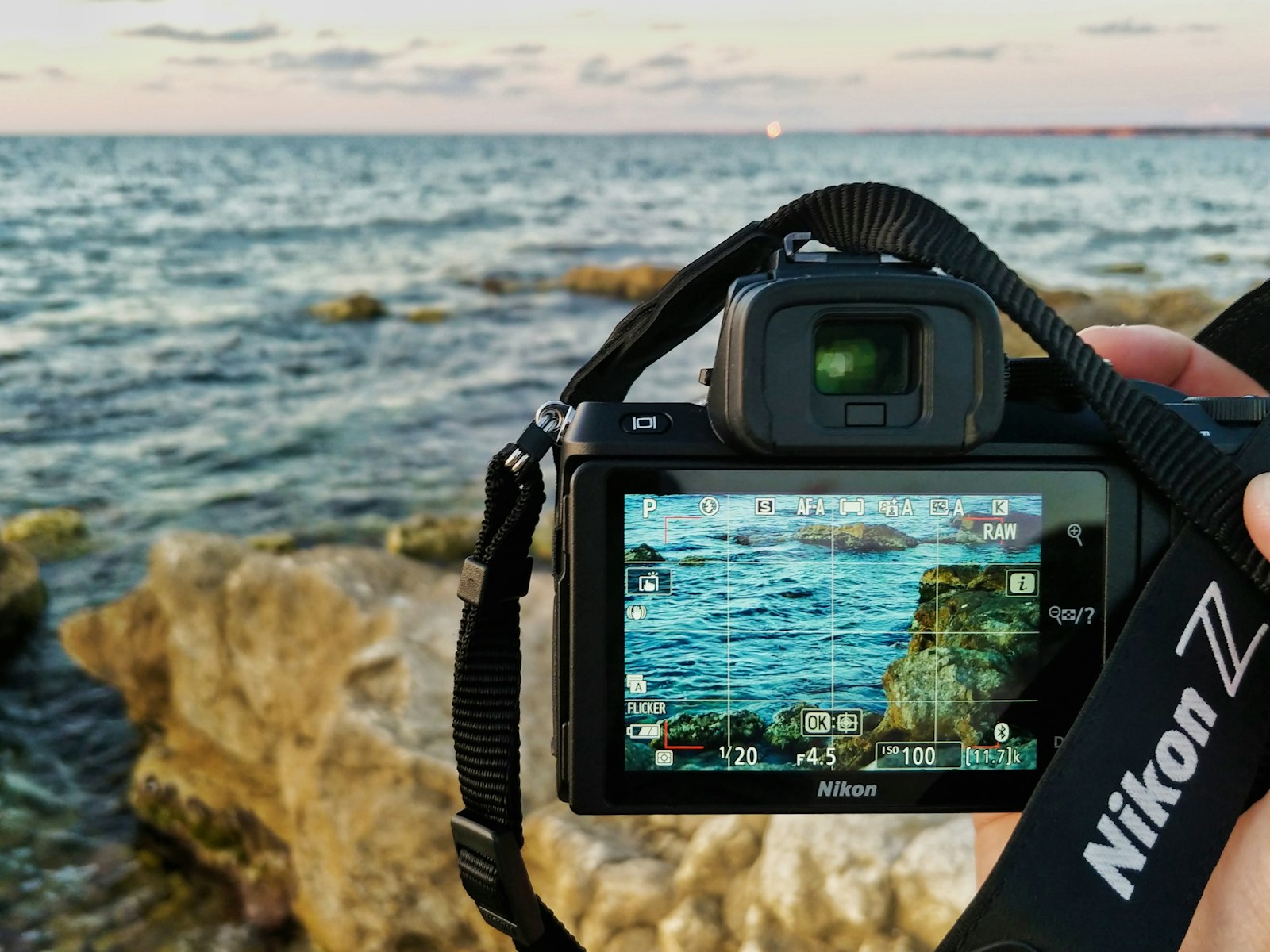
- Best compact for travel: the Nikon Z50 with 16-50mm — small, weather-sealed, light.
- Budget under $700: refurbished or used Sony a6400 or Canon M50 Mark II.
How we chose these picks
Four criteria drove the shortlist. First, current retail availability at or under the $1,000 ceiling with a kit lens. Second, sensor and autofocus generations that are still current — meaning bodies released in the last four to five years rather than clearance pulls from 2018. Third, a path forward: each pick has a lens ecosystem deep enough that a buyer won’t feel stuck when they outgrow the kit zoom. Fourth, real reviewer consensus, weighted toward working photographers rather than YouTube comparison drama.
Prices below reflect late-2026 US retail ranges from Amazon, B&H, and Adorama. Sale windows and refurbished programs can drop most of these by 10 to 20 percent, so it’s worth setting a price watch before buying.
Best all-around pick: Sony a6400
The Sony a6400 remains the reference body in this price class. Its 24MP APS-C sensor still hits above its weight for color and dynamic range, its eye-detect autofocus is faster than anything Canon or Nikon offered at this level two generations ago, and the E-mount lens ecosystem is deep with both Sony and third-party options from Sigma and Tamron.
Practical trade-offs: the body is on the compact side, which is a plus for travel and a minus for photographers with larger hands. The articulating screen flips up for vlogging but does not tilt freely for portrait orientation. Battery life is decent but not class-leading.
The Sony a6400 body with the 16-50mm kit lens typically lands in the $900 to $1,000 range, sometimes dipping with rebates. Add a Sigma 30mm f/1.4 or Sony 35mm f/1.8 within a few months for portrait work.
Best for beginners: Canon EOS R10
If you’re moving from phone photography into a dedicated camera for family portraits, kids, and events, the Canon EOS R10 is the easiest learning curve in this bracket. Canon’s menu system is the friendliest of the major brands, the 18-45mm kit lens is genuinely usable, and the autofocus tracking holds up for fast-moving subjects.
The R10 runs on the RF mount, which means the native lens lineup is still expanding. That’s the main caveat — third-party RF lens support is thinner than E-mount or X-mount, though Sigma and Tamron have started filling the gap. For most beginners who’ll shoot on the kit zoom for the first year, that matters less than the handling and autofocus.
Price sits in the $800 to $1,000 range with the 18-45mm kit for the Canon EOS R10. Refurbished kits occasionally drop to $750.
Best hybrid for photo and video: Fujifilm X-T30 II
The Fujifilm X-T30 II is the pick for buyers who want to take photography seriously and also shoot short-form video. Fujifilm’s film simulations — Classic Chrome, Astia, Provia — deliver finished-looking JPEGs straight out of camera, which matters if you don’t want to live in editing software. 4K 30p video with F-log support gives you a clean hybrid workflow.
The body is smaller than the a6400 and more analog in feel, with dedicated dials for shutter speed and ISO. The X-T30 II body-only runs around $900, and pairing it with a 23mm f/2 or 35mm f/2 prime keeps you inside the $1,000 budget.
If you plan to shoot a lot of indoor portraits with controlled light, look at the Fujifilm X-T30 II alongside our studio lighting kit guide for a complete starter setup.
Best compact for travel: Nikon Z50
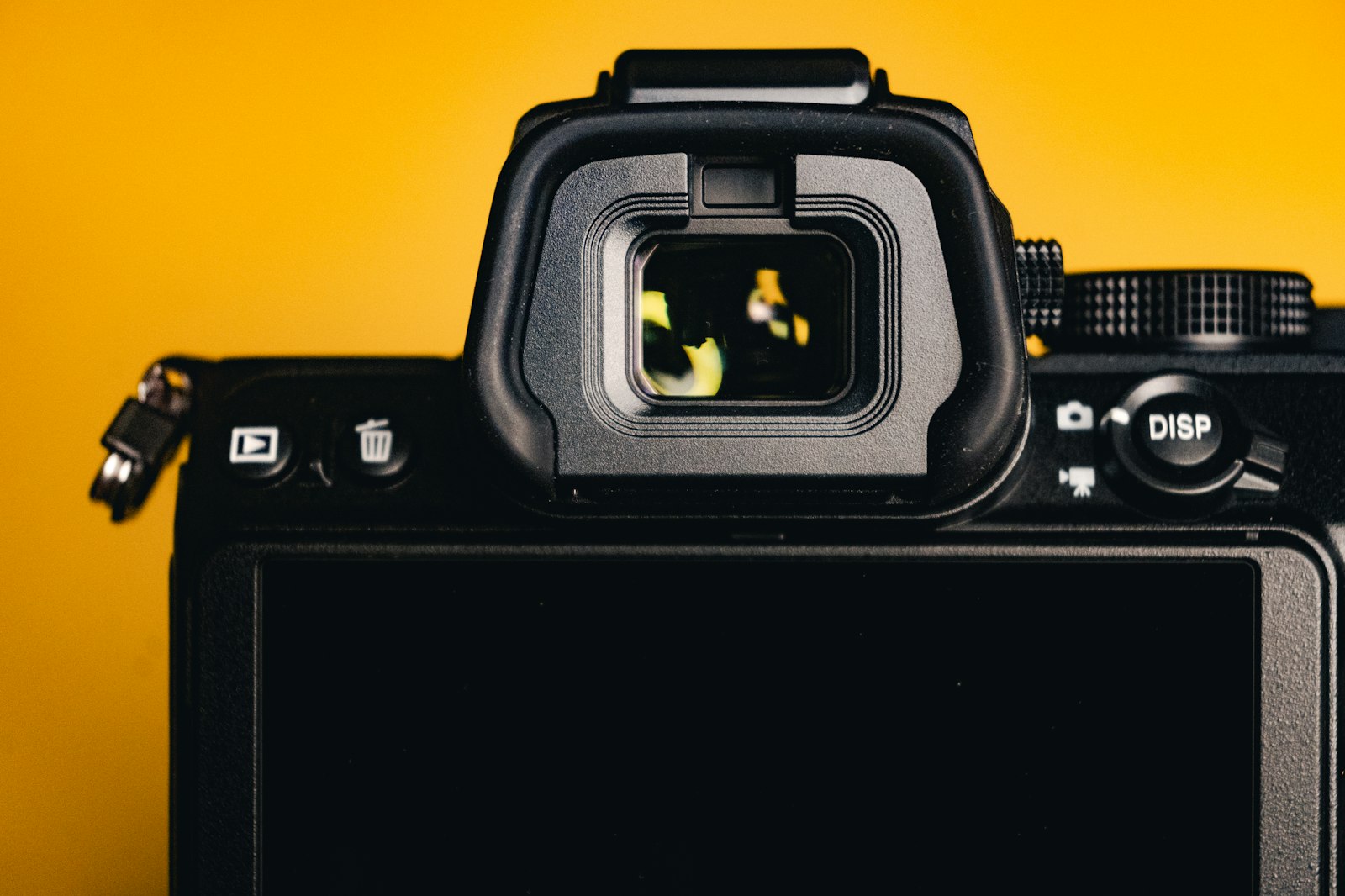
The Nikon Z50 is the most travel-friendly pick on this list. It’s smaller than the Canon R10, lighter than the a6400 with a kit lens attached, and the grip is deeper than its competitors, which matters on long days of shooting. The 20.9MP sensor is a generation behind the others on paper but holds up well for travel, landscape, and street work where dynamic range and 24MP detail are not deciding factors.
Z-mount lens selection is the main constraint. Nikon’s DX (APS-C) native lineup is smaller than Sony’s E-mount, so you’ll rely on the FTZ adapter for older F-mount lenses if you want breadth. The 16-50mm kit is a genuinely good lens for the price.
The Nikon Z50 with the 16-50mm kit runs in the $750 to $900 range depending on rebate cycles.
Budget pick under $700: Canon EOS M50 Mark II
If your ceiling is $700 or you want a second body that rides in a bag, the Canon EOS M50 Mark II is the workhorse budget pick. It’s been around long enough that the firmware is mature, used and refurbished stock is plentiful, and the image quality is more than enough for web-sized portrait and family work.
The catch is the EF-M mount, which Canon has quietly walked away from in favor of RF. That makes the M50 Mark II a value pick today, not a long-term system investment. Buy it if the price is right, shoot it for two or three years, and treat the lenses as a single-body investment.
New kits run $600 to $700. Used and refurbished kits drop to $450 to $550.
Specialty pick: Panasonic Lumix G9 (used or refurbished)
Worth a mention for photographers who prioritize stabilization, weather sealing, and continuous shooting — wildlife, sports, event coverage. The Micro Four Thirds Panasonic Lumix G9 sits below $1,000 on the used market and delivers build quality that feels a class above everything else on this list. Sensor size is smaller (MFT versus APS-C), which is a trade-off in very low light but a benefit for reach with telephoto lenses.
How to match a body to your shooting plan
A quick decision aid:
| If you mostly shoot… | Start here | First lens to add |
|---|---|---|
| Family portraits, kids, indoor events | Canon EOS R10 | 50mm f/1.8 RF |
| General photography, want lens flexibility | Sony a6400 | Sigma 30mm f/1.4 |
| Photo + video hybrid, love film looks | Fujifilm X-T30 II | 35mm f/2 Fujinon |
| Travel, street, minimal weight | Nikon Z50 | 24mm f/1.7 Z DX |
| Tight budget, web-sized output | Canon M50 Mark II | Sigma 16mm f/1.4 |
What to skip at this price point
A few categories are worth flagging as avoidable at this budget. Full-frame bodies under $1,000 are almost always two or three generations old, with slower autofocus and older video codecs — tempting on paper, frustrating in practice. Superzoom bridge cameras can feel like a deal but the image quality lags well behind a current APS-C mirrorless. Action cameras and point-and-shoots have their place, but they are not a substitute for a proper interchangeable-lens body if photography is the priority.
Accessories are the other place budgets leak. A sensible starter kit is a 64GB V30 SD card, a second battery, a microfiber cloth, and a simple camera strap. Tripods, filters, and bags can come later. If you’re building out a lighting setup in parallel, our studio lighting kit guide covers starter options that pair well with any of these bodies. And once files start piling up, our photo editing software picks run through the options from Lightroom down to free tools.

Lens ecosystem matters more than the body
A common mistake is to spend the full $1,000 on the body and kit zoom and stop there. The body determines the ceiling of image quality, but the lens determines what the final image actually looks like. Plan for one prime lens within the first year — a 35mm or 50mm equivalent is the most useful for portraits, family work, and low light. That usually adds $200 to $400 depending on the system and whether you go native or third-party.
If you’re shooting portrait work specifically, the portrait-focused bodies here (R10, a6400, X-T30 II) all pair well with a fast 85mm equivalent as a second lens. Our portrait photography hub covers the service side if you’re also curious about working with a professional portrait photographer while you learn.
Pricing context for the rest of the setup
The body is usually the first expense, not the only one. A reasonable year-one budget for a serious hobbyist runs $1,500 to $2,500 all in: $800 to $1,000 on the camera and kit lens, $300 to $500 on a prime, $100 to $200 on cards, batteries, and a bag, and $100 to $300 on editing software and storage. For context on where that spend sits against professional work, our average photography session costs piece frames pricing from the client side.
Buying checklist
Before you hit buy, run through this: confirm the kit includes the lens you expect (some retailers list body-only pricing with kit imagery), check warranty terms, verify the seller is authorized by the manufacturer for a US warranty, and look at refurbished stock from the manufacturer’s official store before paying full retail. Canon, Sony, Nikon, and Fujifilm all run official refurbished programs with shorter but real warranties, usually at 10 to 20 percent off new pricing. For a first camera, authorized new stock with full warranty is worth the small premium over gray-market listings.
The honest answer on best cameras under 1000
The honest answer on best cameras under 1000 in 2026 is that any of the four headline picks above will outperform what most buyers actually need. The deciding factors are ergonomics, menu system, and lens ecosystem rather than sensor specs. Handle the body in person if you can, watch two or three long-form reviews from working photographers, and buy the one you’ll actually carry. A camera that stays home because it’s too heavy is the most expensive camera you can own.
As an Amazon Associate we earn from qualifying purchases. Some links in this article are affiliate links — they don't cost you anything extra.
🛒 Shop the gear: Browse all cameras in our shop →