
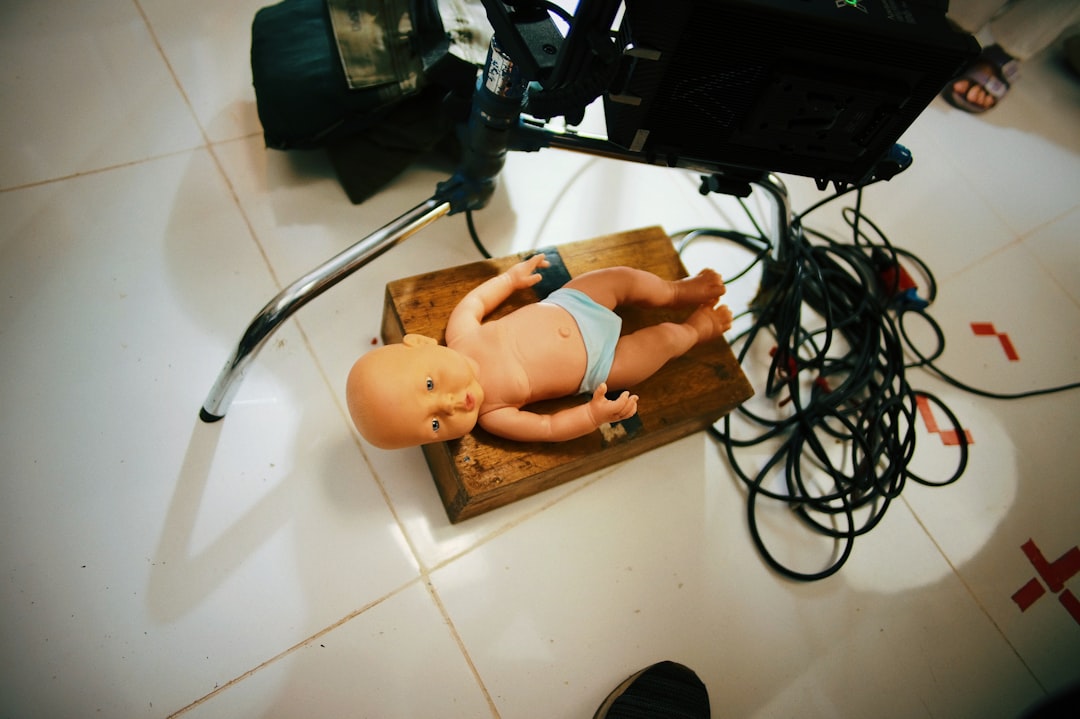
Picking a camera for newborn photography is different from picking a wedding or landscape body. The subject is small, still, light-sensitive, and unforgiving of camera noise. Skin tones have to render cleanly straight out of camera. And crucially, there is no second chance: the baby is only this small for a few weeks. This guide covers the best cameras for newborn photography in 2026, with six mirrorless picks across Sony, Canon, Nikon, and Fuji, plus the selection criteria that actually matter for this niche.
Most of these cameras are shared with wedding, portrait, and family shooters, so if you are building a dual-use kit the investment translates. What changes for newborn work is which features you weight heavily and which you can comfortably ignore.
TL;DR
- Silent electronic shutter, accurate skin-tone rendering, and dual-card redundancy are the three must-have features for professional newborn cameras.
- Mirrorless full-frame bodies from Sony, Canon, and Nikon dominate the category; Fuji APS-C offers strong color science at lower cost.
- Megapixel count above 24 MP is rarely decisive for newborn work; AF performance and shutter behavior matter more.
- Editorial pick: the Sony A7 IV remains the most balanced all-round body for studio newborn work in 2026.
- Used-market options like the Canon R6 (original) and Nikon Z6 II are still excellent at meaningful discount.
What to look for in the best cameras for newborn photography
Five features deserve specific attention for this application. Skip the hype cycle around video specs, burst rates above twelve frames per second, and ultra-high resolution modes; they are rarely used in newborn work.
1. Silent electronic shutter
A mechanical shutter click can startle a sleeping newborn enough to end a posed setup. Every camera recommended below supports fully silent electronic shutter with no rolling shutter artefacts in still-subject work. This single feature is why mirrorless has replaced DSLRs in most professional newborn studios.
2. Accurate skin tone rendering
Newborn skin is subtle: pale with pink undertones, often with temporary blotching that needs gentle handling in post. Cameras with aggressive default color science (overly warm or overly saturated) make retouching harder. Canon and Fuji lead on neutral skin rendering out of the box; Sony has closed the gap significantly since the A7 IV generation.
3. Dual-card redundancy
Newborn sessions cannot be re-shot. Dual-card simultaneous recording is a must. Most modern mirrorless bodies at the 2000 to 3500 USD tier support dual SD or CFexpress slots. Single-slot cameras (like the Canon R8 or earlier R-series) are fine for dual-shooter backup scenarios but not as a solo primary.
4. Autofocus on eyes at close distance
Newborn eyelids are delicate and closed more than half of any session. When they do open, the window is short. Modern eye-detection autofocus that reliably locks on even partially open eyes at close distances (sometimes under 30 cm) is a real advantage. All cameras below handle this well; older bodies (2019 and earlier) often struggle.
5. Low-light performance and high ISO noise handling
Most studio newborn work happens at ISO 400 to 1600 with modifier-softened strobes or large daylight windows. A clean ISO 3200 is useful as a safety margin on darker sessions. Above ISO 6400 you rarely need.
The six camera picks
All six cameras are strong choices. The differences come down to ecosystem, budget, and secondary use. Every pick below supports silent shutter and dual-card recording (noted where not).
Sony A7 IV — our editorial pick
The A7 IV sits at the sweet spot for newborn studio work: 33 MP full-frame sensor with excellent dynamic range, near-silent electronic shutter, dual-card recording (one CFexpress Type A, one SD), and mature eye-AF that handles closed-eye face detection well. Skin rendering improved significantly over the A7 III generation. Most working newborn photographers we know either shoot this body or the Sony A1.
Browse the Sony A7 IV on Amazon.
Canon EOS R6 Mark II
Canon’s 24 MP R6 II is the closest direct competitor to the Sony A7 IV for this work. Skin tones are famously clean out of camera, the silent shutter is reliable, and autofocus on closed or partially open newborn eyes has improved noticeably from the original R6. Dual SD card slots. Canon colour science makes this a particularly strong pick for photographers who want minimal post-processing time.
Browse the Canon EOS R6 Mark II on Amazon.
Nikon Z6 III
Nikon’s Z6 III combines a 24 MP partially-stacked sensor with substantially improved autofocus and excellent silent-shutter behavior. Dual-card (one CFexpress Type B, one SD). Nikon’s colour science runs slightly warmer than Canon’s; some photographers prefer it for newborn work because it reduces the post-processing work on cool-toned studio lighting.
Browse the Nikon Z6 III on Amazon.
Fujifilm X-T5
The X-T5 is the APS-C option for photographers who want Fuji’s well-regarded color science at a lower price point. 40 MP of APS-C resolution handles heavy crops comfortably. Dual SD card slots. Silent shutter is reliable for still newborn work. The shallower depth of field of full frame is not replicable, but at f/2 on a 56mm the look is close enough for most client-facing deliverables.
Browse the Fujifilm X-T5 on Amazon.
Canon EOS R5 Mark II
For photographers who want more resolution and are already in the Canon ecosystem, the R5 II is the logical step up. 45 MP full-frame sensor, stacked design with substantially faster readout than the R6 II, dual-card (CFexpress Type B and SD). Overkill for pure studio newborn work, but excellent if you also shoot weddings or families and want a single flagship body.
Browse the Canon EOS R5 Mark II on Amazon.
Sony A7C II — the compact option
The A7C II shares most of the A7 IV’s imaging guts (33 MP full-frame, similar processing) in a smaller, lighter body. Single SD card slot, which is the main compromise. For a photographer who already has a dual-card primary and wants a discreet second body, or for a beginner newborn photographer on a tighter budget who can manage with single-card backup workflow, the A7C II is genuinely strong.
Browse the Sony A7C II on Amazon.
A quick comparison table
| Camera | Sensor | MP | Dual-card | Street price (USD) |
|---|---|---|---|---|
| Sony A7 IV | Full frame | 33 | Yes | ~2,500 |
| Canon R6 Mark II | Full frame | 24 | Yes | ~2,500 |
| Nikon Z6 III | Full frame | 24 | Yes | ~2,500 |
| Fuji X-T5 | APS-C | 40 | Yes | ~1,700 |
| Canon R5 Mark II | Full frame | 45 | Yes | ~4,300 |
| Sony A7C II | Full frame | 33 | No | ~2,200 |
Lenses that pair well with these cameras
A three-lens kit covers almost every newborn scenario. A 35mm or 50mm prime for wider environmental frames with parents. An 85mm or 90mm for standalone portraits. A 90mm or 100mm macro for detail frames of fingers, toes, and eyelashes. Zooms work but primes at f/1.8 or f/2 produce cleaner skin rendering at the shallow depth of field most clients expect.
For a checklist-level view of how these lenses get used across a session, see our newborn photoshoot checklist. It covers what to shoot in what order, which maps directly to which lens is on the camera at each stage.
Building a redundant two-body kit
Professional newborn photographers almost always carry two bodies. The most common configurations in our conversations with working shooters in 2026: an A7 IV primary plus an A7C II secondary (Sony), an R6 II primary plus an R8 secondary (Canon), or an R5 II primary plus an R6 II secondary (Canon upgrade path). The secondary body removes lens-changing time during posed sequences and provides a real backup if the primary fails mid-session.
For a view of what working newborn photographers charge per session across markets (which helps with the math on gear investment), see our newborn session pricing by region guide.
What we would skip
DSLRs are not worth the savings in 2026 for new newborn photographers. Mechanical shutter noise, inferior live-view autofocus, and limited lens development on the newer mirrorless mounts make them a short-term choice at best. Older mirrorless bodies from 2017 to 2019 (Sony A7 III, Canon R, Nikon Z6 original) are still usable but have weaker eye AF and slower silent-shutter readout than the current generation.
Phone cameras, Micro Four Thirds compacts, and super-high-megapixel landscape bodies (Sony A7R V, Canon R5 original at 45 MP was borderline) are not well suited to this application. The A7R V’s detail is stunning but overkill for newborn skin work and punishes any micro-motion blur that full frame 24 to 33 MP cameras hide gracefully.
How to decide between these picks
The honest framework: pick the ecosystem that matches your existing lens collection. A working photographer already invested in Canon EF glass with EF-to-RF adapters should stay in Canon. A Sony shooter with E-mount lenses should stay in Sony. Switching systems for marginal sensor differences rarely pays back.
If you are starting fresh, the Sony A7 IV and the Canon R6 II are the two most defensible picks. The Sony wins on autofocus edge cases; the Canon wins on straight-out-of-camera skin rendering. Budget being equal, trust your color preference over spec sheets.
For shortlisting working newborn photographers, or for a sanity check on what the professional market is using, browse our global newborn photographer directory.
A short closing note
The camera matters less than newborn photographers new to the field expect. Lighting, styling, patience with the baby, and experience with the posing sequence contribute far more to image quality than any of the bodies above. All six cameras listed will produce client-grade newborn images in the hands of a competent shooter. Pick the one that fits your budget and ecosystem, then spend the rest of your attention on the craft.
As an Amazon Associate we earn from qualifying purchases. Some links in this article are affiliate links.
As an Amazon Associate we earn from qualifying purchases. Some links in this article are affiliate links — they don't cost you anything extra.
🛒 Shop the gear: Browse all cameras in our shop →