
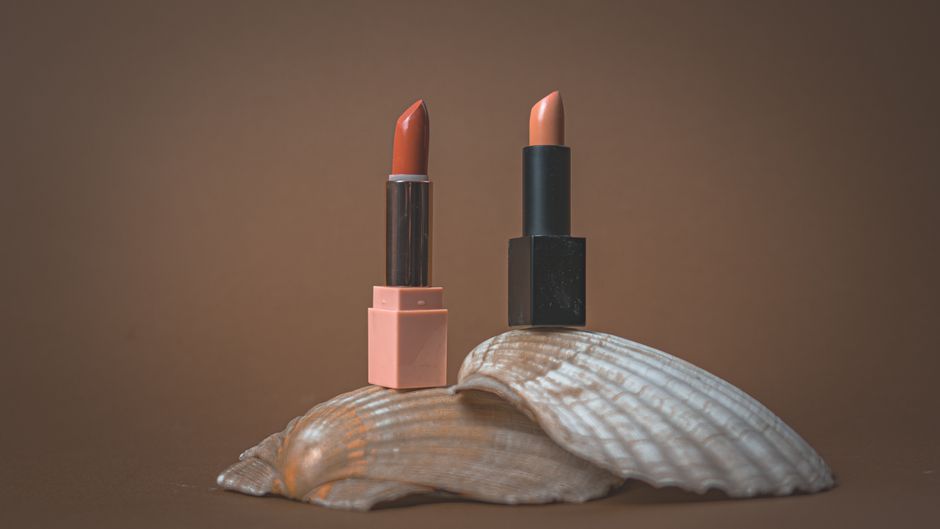
Product photography is all about clean detail, accurate color, and repeatable results. Shoppers decide in seconds based on how crisp and trustworthy your images look, so your camera needs to resolve fine texture, render color faithfully, and play nicely with a tethered, controlled-light workflow. This guide to the best cameras for product photography covers what matters in the studio and recommends real camera lines that e-commerce and commercial shooters depend on.
Because products sit still under controlled light, you can prioritize resolution and color over speed and autofocus. The right body, paired with a sharp lens and a solid tripod, will churn out catalog-ready frames all day. Below we group picks by use case and budget so you can match a camera to your output.
As an Amazon Associate we earn from qualifying purchases. Some links in this article are affiliate links — they don't cost you anything extra.
What to look for in the best cameras for product photography
Resolution is your friend. High-megapixel sensors let you crop tightly and deliver large files for print catalogs and zoomable e-commerce listings. Aim for at least 24 megapixels, with 45 to 61 megapixels ideal for detail-heavy work like jewelry or textiles. Color accuracy and consistent white balance reduce retouching time, so look for cameras known for clean, faithful color.
Tethering is close to mandatory in a studio: shooting straight to a computer lets you review focus, composition, and color on a large screen and keep file naming organized. A sturdy build, dependable manual controls, and access to a sharp macro and a normal prime round out the essentials.
Best full-frame cameras for studio product work
Full-frame bodies give you depth-of-field control and clean files. The Sony a7 IV is a versatile 33-megapixel workhorse with strong tethering. The Canon EOS R6 Mark II brings Canon’s trusted color and smooth tethered capture, while the Nikon Z6 III offers excellent dynamic range and a bright viewfinder. All three support fast primes and dedicated macro lenses for close-up detail.
Best high-resolution cameras for catalog and print
When clients need billboard-size crops or fabric you can almost feel, reach for more pixels. The Sony a7R V and Canon EOS R5 sit at the high end of full-frame resolution and resolve fine texture with ease. For the highest fidelity in tonal gradation and detail, medium-format systems like the Fujifilm GFX series are a studio favorite for luxury goods and editorial product work.
Reflective and transparent products such as glassware, jewelry, and polished metal benefit from a camera with strong dynamic range, since these surfaces create bright highlights and deep shadows in the same frame. The more tonal information your sensor captures, the easier it is to control reflections and recover detail when you edit.
Best value options for e-commerce sellers
If you are photographing your own inventory for an online store, you do not need a flagship. The Fujifilm X-T5 packs high resolution into an APS-C body with pleasing color, while the Canon EOS R7 and Sony a6700 deliver sharp, detailed files at a friendlier price. Paired with consistent light and a macro lens, any of these produces clean, professional listings.
Buying considerations
Budget for the supporting cast as carefully as the body. A solid tripod or copy stand keeps framing identical across a product line, and a macro lens plus a normal prime covers most subjects. Controlled, repeatable light, whether continuous LED panels or strobes with softboxes, matters more for consistency than the camera itself. Confirm your camera tethers smoothly with your chosen editing software before you buy.
Also think about file size and storage. High-resolution raw files from 45 or 61 megapixel sensors fill cards and drives quickly, so factor in fast memory cards and a reliable backup routine. For high-volume e-commerce work, efficient file handling keeps your shoot days moving and protects the images clients are paying for.
Frequently asked questions
Do I need a full-frame camera for product photography? No. Crop-sensor cameras produce excellent product images, especially with good light and a sharp lens. Full-frame and medium-format mainly help when you need maximum resolution or shallow depth of field.
Which lens is best for products? A macro lens is the most versatile choice because it focuses closely and stays sharp for small items. A normal prime around 50mm equivalent is great for larger products and lifestyle shots.
Is tethering worth setting up? Yes. Reviewing each frame on a large monitor catches focus and color issues immediately and keeps your files organized, which saves hours over a big shoot.
How many megapixels do I need for e-commerce? Around 24 megapixels is plenty for web listings. Choose 45 megapixels or more only if you crop heavily or deliver large prints and catalogs.
Continuous light or strobes? Continuous LED light lets you see exactly what you get and is beginner-friendly. Strobes deliver more power and freeze any motion, which helps with reflective or fast-setup work.
🛒 Shop the gear: Browse all cameras in our shop →