
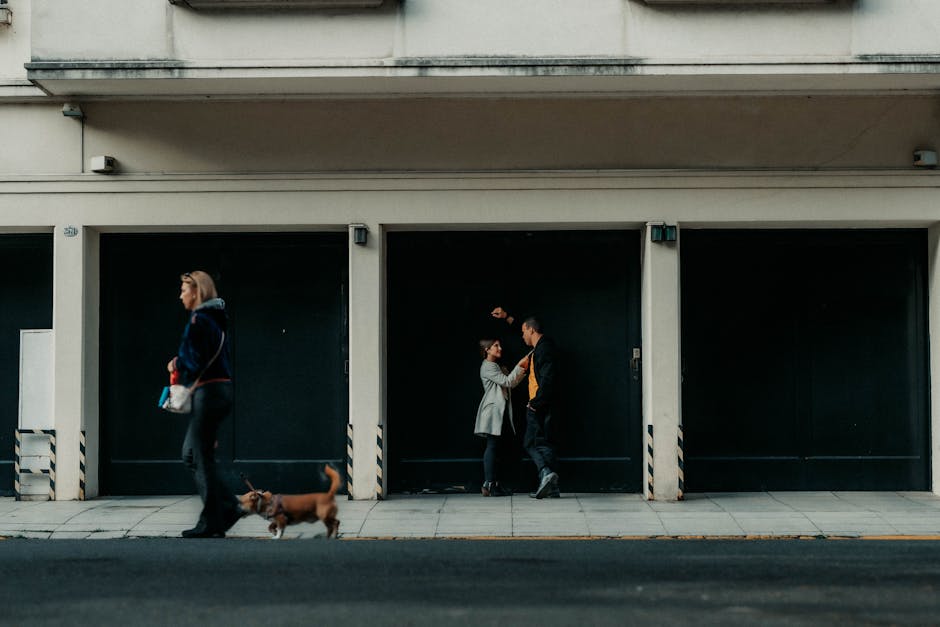
This guide to tango engagement photography in Buenos Aires covers the context, locations or traditions, a practical plan or shot list, gear and logistics, and pricing — everything you need to plan a shoot or hire the right photographer.
Why a tango theme
Tango is woven into Buenos Aires’ identity, making it a romantic, distinctly porteño theme for an engagement shoot. The drama of the dance translates beautifully into couple photography. Born in the city’s neighbourhoods generations ago, tango is more than a dance — it’s a language of closeness, tension and release that mirrors exactly what an engagement session tries to capture. “Porteño,” the word for someone from this port city, carries a whole mood of late nights, faded elegance and passionate music, and leaning into it gives your photographs a strong sense of place and story. For a couple, a tango theme offers a natural framework for connection: an embrace, a lean, a shared glance — cues that produce intimate, expressive images rather than stiff posing.
Best locations
San Telmo’s cobbled streets and milongas, the faded grandeur of older cafés, and the colourful (if touristy) Caminito in La Boca all work. Golden hour softens the city’s bustle. San Telmo, one of the oldest parts of the city, offers atmospheric cobblestones, antique shops and a strong historic character that suits the theme perfectly. Milongas — the social dance halls where tango is actually danced — bring authenticity and rich, moody interiors. The grand old cafés, with their patina and warm light, make elegant backdrops, while Caminito’s brightly painted houses in La Boca deliver bold colour, even if it draws crowds. Plan a small route that mixes textures — cobblestones, colour, faded elegance — and time it so you reach the busiest spots when the light is softest and the crowds thinner.
Posing and movement
Capture real connection — close holds, the line of an arm, movement and pauses. A photographer experienced with couples will direct subtle, natural poses rather than stiff ones. The strength of a tango-inspired shoot is its built-in choreography: an embrace, a turn of the head, the sweep of a leg, hands clasped, a forehead resting against a cheek. Direct in prompts and micro-movements rather than rigid poses — ask the couple to walk together, to lean in, to pause mid-step — and shoot through the motion to catch the in-between moments where the real emotion lives. Watch the lines: a pointed foot, an extended arm, the negative space between two faces. A short telephoto or fast standard lens flatters faces and lets you isolate the couple from busy backgrounds, while a wider lens captures movement within the setting.
Timing and light
Shoot early morning or late afternoon to avoid crowds and harsh light. Evening milonga ambiance adds atmosphere but demands strong low-light skills. Buenos Aires sits well south of the equator, so its seasons are reversed relative to the Northern Hemisphere — warm, long days around the turn of the year and cooler, shorter days mid-year — which affects when golden hour falls and how the light feels. The first and last hours of daylight give you soft, directional light and quieter streets, ideal for the romantic mood. If you want to lean into the milonga setting, be ready for genuinely dim, mixed artificial light: a fast lens, a camera that performs well at high ISO, and careful white balance become essential to keep the warmth without losing detail or skin tone.
Planning and what to expect
A little planning makes the session sing. Coordinate wardrobe that nods to tango’s elegance — clean lines, a touch of drama, shoes the couple can actually move in — without veering into costume unless that’s the goal. Build a loose shot list spanning wide environmental frames, mid-range moments of movement, and tight, tender portraits, and pace the shoot so the couple can warm up and relax into each other. Spanish is the language of the city, so a local photographer (or one comfortable working bilingually) smooths interactions at cafés and milongas. Scout your locations and the light in advance, agree a route, and keep gear minimal and secure in busier, touristy areas. Above all, prioritise genuine connection over perfect technique — a real laugh mid-turn will always outshine a flawless but lifeless pose.
Booking
Pair with a couple/portrait photographer who knows the city — start with portrait photographers in Buenos Aires or elopement photographers in Buenos Aires. Look for a portfolio that shows confident direction of couples, natural movement, and strong work in low light if you want milonga ambiance. A photographer who knows the city’s neighbourhoods, light and rhythms will plan a route that flows, handle access at cafés and dance halls, and put the couple at ease so the tango theme feels lived-in rather than staged.
Frequently asked questions
Do we need to dance tango? No — a few simple holds and movement are enough. Best area? San Telmo. Best time? Golden hour. What should we wear? Elegant, clean lines with shoes you can move in; full costume is optional. Can we shoot inside a milonga? Yes, for real atmosphere, but it requires strong low-light skills and prior arrangement for access.