
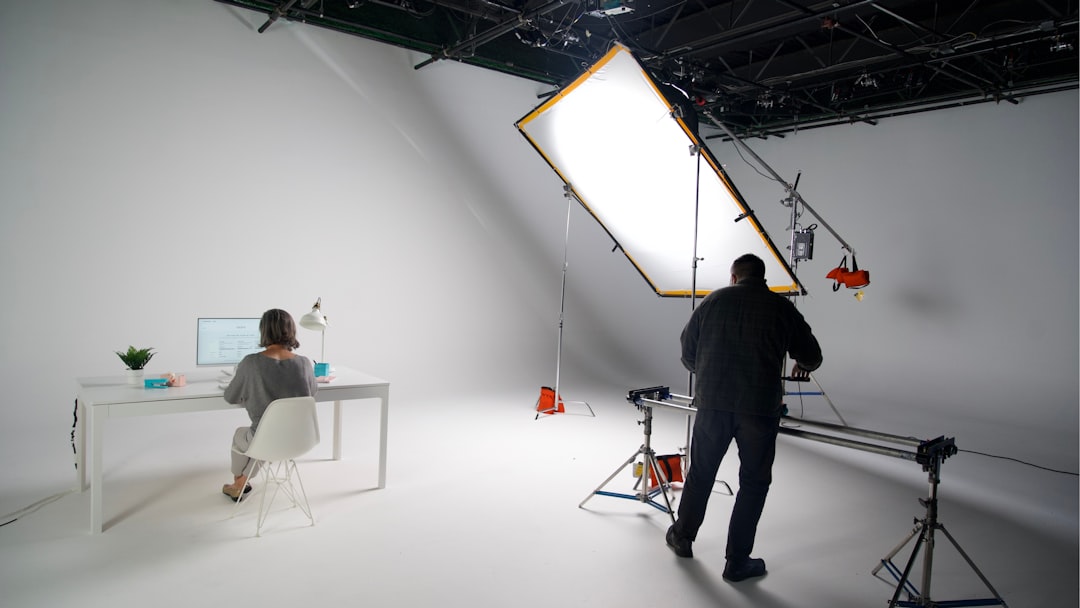
Photography studios bleed margin in three places: rent, software stack creep, and the time tax of disorganised space. This photographer studio overhead lean operations guide is a practitioner-grade walkthrough for trimming those costs without breaking client experience. We’ll work through rent-vs-co-working-vs-home decisions, the software-stack audit most studios skip, the IRS Section 280A vs UK simplified-expenses tax framing for home studios, and the Toyota lean-management plus 5S framework adapted for a working photo studio.
TL;DR
- Rent is usually the largest fixed cost; co-working and hybrid home-plus-rental setups beat dedicated studio leases for studios doing fewer than 12 in-studio sessions per month.
- Audit software annually — most studios discover they pay for 30 to 50 percent more SaaS than they actively use.
- IRS Section 280A allows a US home-studio deduction; UK simplified expenses give £6 per month flat-rate or actual-cost calculation; pick whichever pays more.
- Toyota lean management and the 5S framework (Sort, Set in order, Shine, Standardize, Sustain) cut waste from physical operations and free up shooting hours.
- Track the seven wastes: overproduction, waiting, transport, over-processing, inventory, motion, defects — applied to photography these become specific, fixable patterns.
The rent question: dedicated vs co-working vs home
For most working photographers, the dedicated leased studio is the default — and often the wrong default. Run the numbers.
Dedicated studio lease in a Tier-2 US city (Austin, Nashville, Pittsburgh) runs USD 2,200 to 4,800 per month for 800 to 1,400 square feet. Tier-1 (NYC, SF, Boston) runs USD 4,500 to 12,000 monthly. London inside the M25 runs GBP 1,800 to 5,500. Singapore runs SGD 3,500 to 9,000. These are gross rents — add NNN, utilities, and insurance riders.
Co-working photo studios (Peerspace and Giggster on demand, plus shared-membership facilities like Drop in NYC or Pirate Studios for music-adjacent work) run USD 75 to 250 per booking hour. Math: 12 four-hour sessions per month at USD 150 average is USD 7,200 monthly. Below 12 sessions, on-demand wins. Above 24, dedicated wins.
Home studio carries near-zero incremental rent if you already pay residential. The IRS Section 280A and UK simplified-expenses tax treatment turn the home studio into a tax position rather than a cost. Practical limits: zoning, neighbour relations, client comfort with home addresses, partner tolerance for studio takeover.
The decision matrix
| Sessions per month | Recommended setup | Why |
|---|---|---|
| Under 6 | Home studio plus on-demand rental | Lowest fixed cost, flexible scale |
| 6 to 12 | Co-working membership plus on-demand | Predictable access without lease |
| 12 to 24 | Hybrid: small home plus on-demand for large sets | Best blended cost with flex |
| 24 plus | Dedicated lease | Per-session cost beats on-demand at this volume |
Utility, insurance, and SaaS audit
Photographers tend to add SaaS subscriptions monthly and never remove them. Annual audit catches the drift. Pull every recurring subscription into a spreadsheet — credit card statements over the past 12 months are the source of truth.
The typical photographer software stack
Adobe Creative Cloud (Photography plan or full Creative Cloud), Capture One, Pixieset or ShootProof or Pic-Time gallery delivery, Honeybook or Studio Ninja or Iris Works for CRM, Quickbooks or Xero for accounting, Dropbox or Backblaze plus Backblaze B2 for backup, Google Workspace or Microsoft 365, Calendly or Acuity for booking, Canva for proposal design, plus various AI culling and editing tools. A typical mid-size studio pays USD 250 to 500 per month in software.
The pruning checklist
For each subscription, answer three questions: when did I last actively use it, what would break if I cancelled it, and is there a free or cheaper alternative that meets 80 percent of my use. If the last-used date is more than 60 days ago, cancel now. Reactivation is rarely a real cost — the data usually persists for 30 to 90 days.
Common cuts: duplicate gallery platforms, unused stock-photo memberships, premium fonts you never used, video editing software you don’t shoot for, project-management apps the team didn’t adopt.
IRS Section 280A vs UK simplified expenses
Home studio tax treatment differs by jurisdiction. The two biggest English-speaking markets:
United States — IRS Section 280A allows a home-office or home-studio deduction provided the space is used regularly and exclusively for business. Two methods: simplified ($5 per square foot up to 300 square feet, $1,500 max) or actual expenses (proportional share of rent or mortgage interest, utilities, insurance, depreciation). Actual expenses usually beat simplified for studios over 100 square feet — run both calculations annually.
United Kingdom — HMRC simplified expenses give a flat-rate deduction based on hours worked at home (£10 per month for 25 to 50 hours, £18 for 51 to 100, £26 for 101 plus, as of 2026). Actual cost calculation is also allowed and usually beats simplified for studios over 100 square feet of dedicated space. Run both.
For both jurisdictions, document with photos of the dedicated space, square footage measurements, and bill copies. The deduction holds up if the documentation is clean. Consult a tax professional — this guide is general framing, not specific tax advice.
Toyota lean management adapted for photography
Toyota Production System (TPS) developed in postwar Japan and codified in Western lean-management literature is built around eliminating waste (muda), unevenness (mura), and overburden (muri). Applied to a photography studio, the seven canonical wastes have specific photography expressions.
Overproduction: shooting more frames than the gallery requires. Most weddings need 600 to 800 delivered images; shooting 5,000 frames is overproduction that adds culling time without value. Tighten in-camera selection — shoot for the gallery, not for the SD card.
Waiting: photographer waits for client, tethered transfer, render queue, or delivery upload. Each waiting block is dead time. Restructure workflow so waiting overlaps with productive activity.
Transport: gear movement between locations. Each loaded car-to-studio transit is loss. Group sessions by location; pre-pack standard kit modules.
Over-processing: editing a frame at greater detail than it warrants. The Instagram-only frame doesn’t need the same retouching as the album-cover frame. Stratify the edit pipeline.
Inventory: physical inventory (props, wardrobe, paper) and digital inventory (un-culled raw files). Both tie up space and attention. Cull aggressively, retire unused props.
Motion: photographer’s body motion in the studio. Walk-counts during a typical headshot session sometimes exceed two miles. Re-arrange the studio so high-frequency moves are short.
Defects: frames lost to focus error, light error, file corruption. Defects compound — a corrupt SD card during a wedding can cost tens of thousands. Hardware redundancy and backup discipline are the answer.
5S studio organization
The 5S framework (Sort, Set in order, Shine, Standardize, Sustain) is the physical-space discipline that makes lean operations stick. For a working studio:
Sort (Seiri): keep only what’s used. Three boxes — keep, rent out occasionally, donate or sell. Run the sort annually.
Set in order (Seiton): every item has a labelled home. Lenses on numbered foam slots. Memory cards in a labelled organiser. Backdrops in a labelled rack. The rule: anything that moves must return to its home before the day ends.
Shine (Seiso): clean daily. Sensors get cleaned weekly. Backdrops vacuumed between sessions. The studio is a tool — it works better clean.
Standardize (Seiketsu): document the standard workflow. The setup-checklist for a headshot session, the breakdown checklist for a wedding return, the backup-routine for the post-session evening. Standards beat heroics.
Sustain (Shitsuke): the discipline to keep doing the first four. This is the hardest. Build it into a weekly Friday afternoon studio reset block.
Insurance and waste-prevention spend
Some “waste” is risk insurance. Equipment insurance through PPA, Hill and Usher, or local equivalents runs USD 800 to 2,500 annually for typical kits. Liability insurance runs USD 400 to 1,200. Cyber-liability rider runs USD 300 to 800. These aren’t cuts — they’re catastrophe prevention.
Software backup: a working studio should pay for cloud backup (Backblaze, Crashplan, IDrive). Roughly USD 100 to 300 per year. Cheap insurance against ransomware and drive failure.
Reinvesting the savings
The point of lean operations isn’t to operate cheaper — it’s to operate cheaper so the savings can fund growth or quality. Trimmed rent funds a better lighting kit. Pruned SaaS funds a better lens. Reduced overhead funds a brand pivot, a website rebuild, or paid time off. Browse the wedding photographers directory and the headshot photographers hub for studios that have made the lean pivot well, and the photo studio rental hub if you’re moving from dedicated lease to on-demand booking.
The annual review cadence
Build an annual operations review into the calendar. Q4 is good — slower wedding work, time to reflect. Three-hour block, four sub-reviews: rent, software, physical inventory, tax setup. Each sub-review produces three to five action items. Action items get done by end of Q1.
Studios that run this review consistently tend to keep overhead at 22 to 28 percent of revenue. Studios that don’t tend to drift to 35 to 45 percent over time. The compounding difference in net margin is meaningful.
Pricing implications
Lean overhead lets you hold pricing or absorb market downturns without panic-discounting. Reference our average cost of headshots reference for market positioning context — keeping overhead lean is what lets a studio sit in the middle or upper end of the market without burning out.
Closing
Photography is a craft business with operational realities. Lean operations doesn’t mean austere or uninvested — it means deliberate. Spend on the things that move the gallery quality and the client experience forward. Cut the things that don’t. Run the audit annually and the business stays healthy through the lean months and the booming ones alike.