
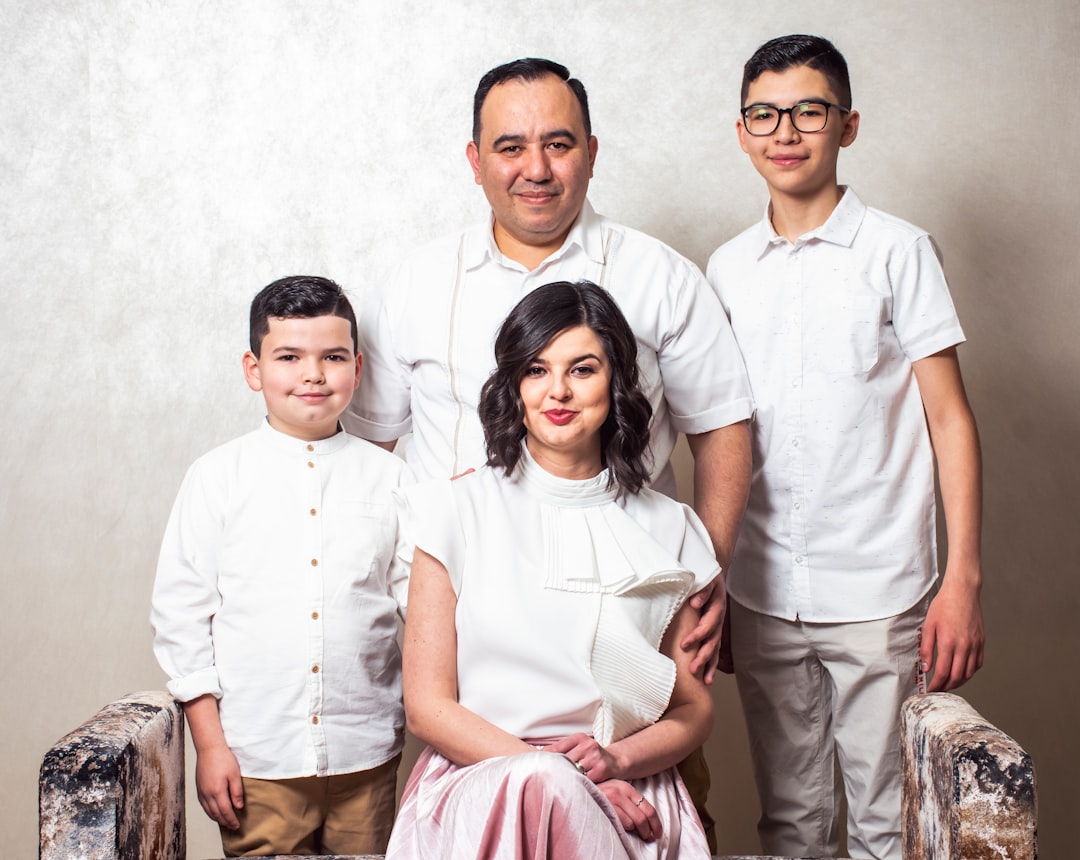
Most family sessions that go sideways do so in the first 20 minutes — a toddler melts down, an outfit doesn’t fit, the light is already dropping, and the photographer is scrambling. Almost every one of those issues traces back to prep decisions made the week before. Knowing how to prepare for a family photo shoot is the difference between a 60-minute session that produces a framable gallery and a 60-minute session that produces three usable frames and a parent with frayed nerves. This guide walks through time-of-day decisions, kid prep strategies, location scouting, wardrobe coordination, and the night-before checklist that consistently saves sessions.
TL;DR
- Book for one hour before sunset — the light is free and it doubles as a built-in session timer.
- Feed the kids 30 minutes before, not at the session. Hungry kids are a lost session.
- Scout the location at the same time of day a week before if possible.
- Coordinate outfits in a 2–3 color palette, never matching.
- Pack an emergency bag — snacks, wipes, lint roller, safety pins, water.
How to Prepare for a Family Photo Shoot: The Core Framework
Knowing how to prepare for a family photo shoot boils down to controlling four variables: timing, wardrobe, kid logistics, and location. Every prep decision falls into one of these buckets, and each one contributes roughly equally to whether the session runs smoothly.
Most parents over-prep the wardrobe and under-prep the kid logistics. The session still looks pretty because the outfits are coordinated, but half the gallery is unusable because a toddler was hungry, tired, or overstimulated. Flipping that ratio — spending equal time on all four variables — is what separates a successful family session from a stressful one.
Timing: The Single Most Important Decision
The time of day a family session is booked decides how the light looks, how cooperative the kids are, and how stressful the prep window feels. The best default for outdoor family sessions is one hour before sunset.
Why one hour before sunset:
The light is golden and warm — automatic soft glow.
The hour window doubles as a built-in session timer, which prevents sessions from dragging past a toddler’s limit.
It falls after school and usually after a kid nap — the low-energy nap-window window is over and the kids are fresh again.
It photographs more flattering than midday sun, which casts harsh shadows on faces and makes everyone squint.
Alternatives:
One hour after sunrise. Cooler, crisper light. Works for families with early-rising kids. Not realistic for families with older kids or teens who sleep in.
Mid-morning. Works on overcast days. The cloud cover softens harsh light. Not recommended on sunny days.
Midday. Avoid if possible. Hard shadows, squinting kids, heat problems in summer.
Blue hour (30 minutes after sunset). Beautiful but technically demanding. Best for older kids who can hold still in low light. Not for families with toddlers.
For a deeper breakdown of timing by season, the best time of year for family photos guide covers month-by-month considerations.
Kid Logistics: The Real Work
Kid prep is where most family sessions are won or lost. The variables that matter:
Sleep. Kids photograph as tired when tired. For sessions booked within an hour of normal bedtime, push bedtime earlier the night before — or reschedule. For toddlers, make sure the session falls well after the afternoon nap, not during the nap-recovery groggy window.
Food. Feed the kids a real meal 30 to 45 minutes before the session. A hungry kid is a session-ender. Avoid sticky foods, berry-colored drinks, and anything that stains. Stick to crackers, cheese, plain pasta, a banana.
Water. Kids should arrive hydrated but not chugging water at the session. Dehydration shows as tired, low-energy faces. Over-hydration shows as bathroom emergencies at the worst moments.
Screen time. No screens in the 30 minutes before the session. Kids who arrive straight from a tablet read zoned-out in the first ten minutes of frames. Let them transition — talk in the car, point things out on the walk to the location.
The bribe. A small post-session reward works. An ice cream stop, a special dinner, a promised playtime. The kid knowing there’s a reward at the end makes the 60 minutes feel like a game rather than an endurance test. Don’t promise the reward mid-session — that becomes leverage the kid will use to cut the session short.
Snack Strategy
Snacks are the professional family photographer’s secret weapon. The right snack buys 15 minutes of cooperation. The wrong snack ends the session.
Snacks that work:
Plain crackers (saltines, butter crackers). Don’t stain. Don’t crumb badly.
Small pieces of cheese.
Plain mini-muffins.
Dry cereal (Cheerios).
Snacks to avoid:
Anything red, blue, or purple (stains, color-casts onto skin).
Anything sticky (syrups, jams, fruit juices).
Chocolate (melts, stains, leaves residue around the mouth).
Lollipops mid-session (unless everyone agrees the lollipop is the photo).
Rule of thumb: the snack should not leave evidence that it was eaten. A toddler with Cheerio crumbs is fine; a toddler with ketchup on the linen romper is not.
Location Scouting
Most family photographers work within a set of favorite locations they know well. Ask for a recommendation. If you have a specific location in mind — a family property, a park where the kids played as toddlers, a favorite trail — visit it once before the session at the same time of day to check the light.
What to look for:
Backdrop. A clean, uncluttered background. Brick walls, stands of trees, open fields, water. Avoid anything with distracting signage, parking lots visible in the frame, or power lines.
Light direction. Note where the sun is at the session time. Photograph a test frame with your phone — does the sun hit faces, or are subjects in shadow? Either works; the photographer needs to know.
Foot traffic. Popular parks are packed on weekend evenings. A beautiful backdrop is useless if someone’s dog is running through every third frame.
Shade options. Bring-along shade — under a tree, by a wall — gives the photographer flexibility when the light gets harsh.
Parking and bathroom access. Practical but non-negotiable. A 20-minute walk from parking with a toddler in tow burns the first half of the session’s energy.
Most working family photographers hub practitioners publish their favorite local locations, often with sample photos from each. Browse those before suggesting your own location — experienced photographers have a reason for their favorites.
Wardrobe Coordination
Family outfit coordination is its own category and deserves dedicated planning time. The framework:
Pick a two-to-three color palette for the whole family. Earth tones (rust, cream, olive, camel). Cool neutrals (navy, slate, cream, blush). Jewel tones (emerald, burgundy, navy, mustard). Pick one, then every family member pulls at least one color from the palette.
No one in pure white or pure black. Pure white blows out in outdoor light. Pure black crushes into silhouette.
No bold logos. Skip team jerseys, branded sweatshirts, character tees. Exceptions for identity-specific wardrobe the family genuinely wants in the photo.
Mix textures. Chunky knit on one family member, soft cotton on another, denim on a third. Texture variation adds depth to group frames.
Layer. A jacket over a top, a cardigan over a dress, a scarf over a coat. Layered outfits photograph deeper than single-layer ones.
Iron everything the night before. Wrinkles are the number-one post-session retouch request.
For the full family wardrobe breakdown — including how to handle teen siblings who reject every outfit their parent suggests — see the paired family portrait posing guide which covers wardrobe-pose interplay.
The Morning-Of Timeline
A workable morning-of or afternoon-of timeline for a session at 5:30pm (one hour before sunset in late spring):
3:00pm — Kids have quiet time, screens off, light snack.
3:30pm — Kids eat a real meal.
4:00pm — Dress the kids (dress adults after). Keep the kids in old clothes until the very last moment.
4:15pm — Lint-roll, hair check, jewelry on.
4:30pm — Everyone in the car. Snacks in the bag.
4:45pm — Arrive at location. Restroom stop if needed.
5:00pm — Final outfit check at the car. Kids into their session outfits if they weren’t already.
5:15pm — Meet photographer. Warm-up, first frames.
5:30pm — Formal frames begin (light still golden).
6:00pm — Candid movement frames.
6:20pm — Ring shots, detail crops, hero frames.
6:30pm — Session wraps at sunset.
This specific timeline adjusts with your latitude and season, but the rough structure — 90 minutes from prep-end to session-start, 60 minutes of actual session — holds.
The Emergency Bag
Pack this bag the day before. Don’t try to assemble it morning-of.
Contents:
Snacks (plain, non-staining, portable).
Water bottles (small, spill-proof).
Wipes (baby wipes for kids, clean towel for adults).
Lint roller (for every outfit, every time).
Safety pins (small and large).
Double-sided tape (hem fixes, slip-strap fixes).
Stain pen (for the inevitable).
Extra pair of socks per kid.
Spare hair elastic, bobby pins, brush.
Tissues.
Phone charger.
Sunscreen (for sessions longer than 45 minutes in direct sun).
Umbrella or small raincoat.
A small toy or distraction (for toddlers — something the photographer can use as a distance-look prompt).
Cash or change for parking.
Handling Weather
Most family sessions have a weather backup plan. Know yours before the day.
Options:
Reschedule. Most photographers will reschedule once for weather. Confirm the policy at booking.
Indoor backup location. A family home with good window light, a rented studio, a hotel lobby with interesting textures. Indoor family sessions are workable but require pre-planning.
Shoot through it. Light rain and overcast skies actually produce beautifully soft light. The session can often go forward in weather that feels unfavorable in person. Ask the photographer’s opinion — they’ve shot in every condition.
The one condition to always reschedule: severe weather (thunderstorms, high wind, extreme heat over 95°F with young kids). Nothing is worth heat exhaustion in a toddler.
Session-Length Expectations
A 60-minute family session with a six-person family produces roughly 60 to 100 delivered edits in the final gallery. That math works out to:
10–15 formal full-family frames.
10–15 parents-alone frames.
15–20 children (alone and with each parent).
10–15 sibling frames.
10–15 movement / candid frames.
5–10 detail / close-crop frames.
A 90-minute session produces roughly 50% more frames. A 30-minute “mini session” produces about a third and should be reserved for couples or very small families.
Most experienced Los Angeles family photographers and Dallas family photographers quote 60 minutes as the standard because it balances energy, light, and gallery size. Book shorter only if the family is small and calm. Book longer for extended family or multi-generation sessions.
The Night-Before Checklist
Run this list the night before the session:
| Category | Item |
|---|---|
| Wardrobe | Every outfit ironed and hung separately |
| Wardrobe | Each outfit paired with its shoes and accessories |
| Wardrobe | Backup outfit packed for each kid |
| Location | Address and parking plan confirmed with photographer |
| Location | Drive time calculated + 15 minutes buffer |
| Emergency bag | Packed and by the door |
| Snacks | Packed and sealed in the bag |
| Kids | Bath and early bedtime |
| Kids | Outfit shown and approved (avoids morning-of fights) |
| Phone | Charged, photographer’s number saved |
| Payment | Final balance confirmed |
| Weather | Forecast checked, backup plan confirmed |
Common Mistakes
The prep issues that ruin the most sessions:
Booking at midday. The light is the worst of the day and the kids are usually either pre-nap or mid-lunch.
Skipping the real meal. Relying on a granola bar in the car. The first 20 minutes of the session are gone while everyone is still hungry.
No backup outfits. A spilled drink or visible stain ends the outfit option without a backup.
Showing the outfit to the kid morning-of and expecting no resistance. Approve outfits the night before.
Over-scheduling the day. A birthday party in the morning and a family session in the evening is a recipe for exhausted kids and exhausted parents.
Arriving exactly on time instead of 15 minutes early. The buffer is where stress goes to die.
Forgetting to tell the kids the plan. Kids do better when they know what’s coming — “in 30 minutes we’re taking pictures with the nice photographer, then we’re getting ice cream.”
The Role of the Photographer Before the Session
Good family photographers do a pre-session consult — a phone call or email exchange 1–2 weeks out to align on location, wardrobe, timing, and any family-specific considerations (a grandparent in a wheelchair, a baby that won’t tolerate direct sun, a sibling dynamic to manage). If your photographer doesn’t offer this, ask for it.
Questions worth asking the photographer in advance:
What’s the meeting point at the location?
How do you handle a toddler meltdown mid-session?
What’s the weather-reschedule policy?
How many final edits can we expect?
When will the gallery be delivered?
Do you have a shot-list preference or do we bring ours?
The answers shape the prep list. Some photographers want the family to bring zero ideas; others collaborate heavily. Know which type yours is.
Closing
Preparing for a family photo shoot is about controlling the variables you can control — timing, food, outfits, location — so the variables you can’t control (a toddler’s mood, the light, the group’s energy) have less room to derail the session. Families who run through this checklist the week before tend to report the session as fun. Families who wing it tend to report the session as a scramble. The gallery reflects which one happened.