
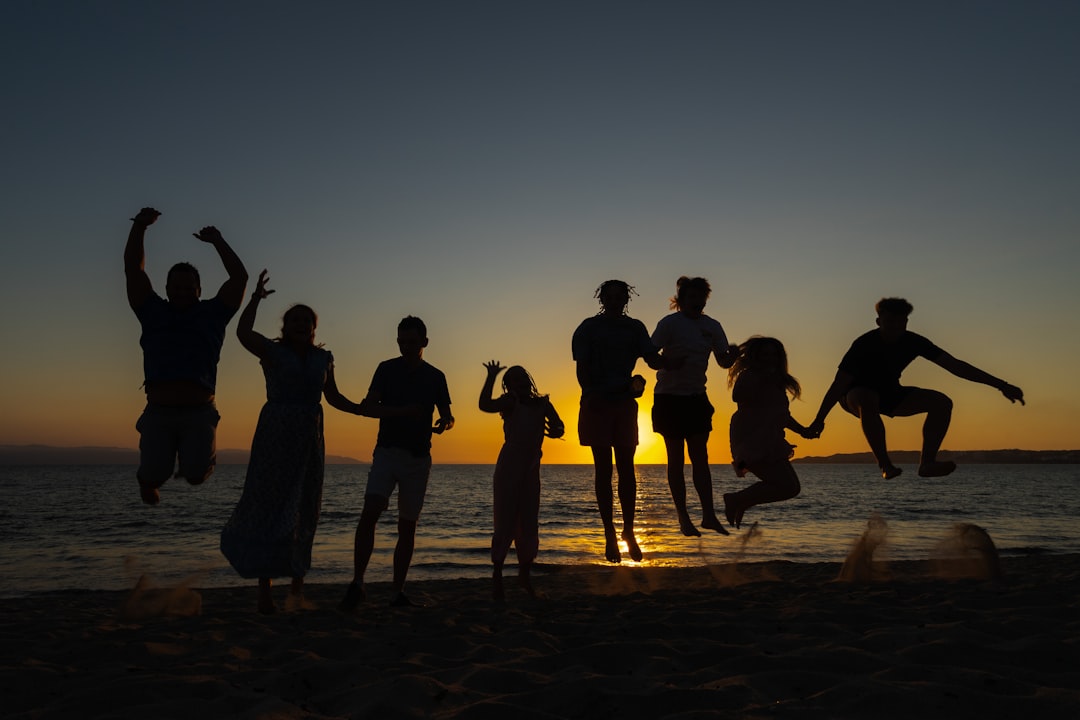
Holiday card photo ideas should start with the setting, not the pose. A family photograph in warm outdoor light at a familiar park will read better on a December card than a technically perfect studio shot that feels stiff. This guide walks through themes, outfit coordination, location choices, and a realistic timeline so your 2026 holiday session produces photographs your family will actually want to mail out — and keep.
TL;DR
- Book by early September for a November delivery window.
- Outdoor at golden hour reads warmest on cards. Studio is the safe fallback for weather or infants.
- Coordinate outfits in a three-to-four color palette. Warm neutrals photograph best.
- Pick one meaningful theme — traditional, candid, activity-based, or seasonal — and commit to it.
- Plan a 60 to 90 minute session with buffer for kids, outfit changes, and the photographer’s setup.
Holiday card photo ideas that actually work
A successful holiday card photograph does three things: it flatters everyone in the frame, it reflects the year your family had, and it produces a printable image that looks as good at 5 by 7 inches as it does on a phone screen. Getting all three right is more about preparation than it is about creative gimmicks.
The most common mistake is trying to do too much. A single theme executed well produces a better card than three half-finished setups. Decide upfront whether your card is traditional (everyone looking at the camera, warm smiles), candid (a walk, a game, a real moment), or activity-based (decorating, baking, tree farm) — and build the shoot around that one direction.
The second common mistake is over-styling. Holiday cards age faster than wedding photographs, and heavy seasonal props (Santa hats, ugly sweaters, costume-style outfits) date a card within two years. A well-composed family photograph in calm seasonal tones reads as intentional now and still feels warm five years later.
Theme directions for your shoot
The following themes cover what works for most families in 2026. Pick one and let the rest of the decisions — location, outfits, timing — flow from it.
Traditional family portrait. Everyone together, warm smiles, a seasonal but understated setting. Works at a park with fall foliage, a downtown tree-lined street, a backyard with garden lights at dusk, or a studio with a muted backdrop. The card says: we are doing well, we love each other, happy holidays. Still the most popular and the most enduring.
Candid moment. A walk, a laugh, an embrace captured off-center. Requires a photographer confident with real moments, not staged ones. The best candid cards often come from the transition moments during a traditional session — everyone getting into place, the youngest being tickled, the older kids teasing each other. Ask your photographer to shoot those moments, not just the posed ones.
Activity-based. Tree farm, hot-chocolate on the porch, cookie baking in a kitchen, family hike. The photograph captures something the family actually does in the season. Works best when the activity is real — forced activities look forced. If your family does not bake together, do not stage a cookie shoot.
Location-driven. A meaningful place — the first house you bought, the park your kids learned to ride bikes in, a vacation spot you returned to. The setting carries as much weight as the people, and the card doubles as a document of a year in a place that matters.
Minimalist studio. A clean backdrop, soft light, no props. Works especially well for families with very young children or tight schedules. A studio session in neutral tones produces timeless images that read well on any card format.
Outfit planning that photographs well
The best outfit strategy for holiday cards is the same as for any family session: coordinate a palette, don’t match uniforms. Pick three to four colors and let each person wear a different combination. Detailed breakdown in the family photo outfit guide.
For holiday cards specifically, warm neutrals (cream, oatmeal, camel, rust, burgundy) photograph beautifully against autumn foliage and in warm indoor light. Cool neutrals (ivory, sage, dusty blue, charcoal) work for studio sessions and winter settings. Both hold up for years on printed cards without looking dated.
Skip bright saturated reds, royal blues, and neon tones — they color-cast skin and compete with the seasonal context. Also skip holiday-specific clothing: reindeer sweaters, Santa outfits, anything you bought for the shoot and will not wear again. The best holiday card outfits are clothes your family could wear to a nice brunch, not costumes.
Location choices by setting
Location drives the mood of the final card. The options fall into four broad categories, each with tradeoffs.
Local park or nature preserve. The default outdoor option. Free or low permit fees, flexible timing, easy for kids. Best in early morning or golden hour for light quality. Check permit requirements in advance — some parks charge USD 25 to 100 for commercial photography, even for small family shoots.
Tree-lined urban street or neighborhood. Good for families who want an environmental feel without the park vibe. Works especially well at golden hour when the buildings catch warm light. Busy streets require scouting a quiet block the day before.
Your own home or backyard. Intimate and specific to your family. A front porch with warm light, a backyard with garden string lights, or a living room window at the right hour can produce the warmest cards of the year. Good for families with infants or mobility-limited grandparents.
Destination or tree farm. A tree farm at sunset, an apple orchard in October, a mountain overlook at sunrise. Produces cinematic cards but requires coordinating travel, timing, and weather for everyone involved. Budget an extra hour of buffer time.
Indoor studio. The reliable fallback. No weather risk, consistent light, and kid-friendly for infants and toddlers. Works best with a muted backdrop — cream, gray, sage — rather than high-contrast black or bright colors.
Timeline from booking to mailing
The common holiday card mistake is waiting too long to book. Quality family photographers fill fall weekends by late August, and print vendors need 7 to 14 days for delivery. The table below shows a realistic timeline that gets cards in mailboxes by the first week of December.
| Week | Task |
|---|---|
| Early August | Shortlist photographers, request sample galleries, check fall weekend availability |
| Mid to late August | Book photographer and lock session date for late September through mid-October |
| Early September | Finalize outfit palette, start ordering missing pieces online |
| Two weeks before shoot | Confirm location, plan for weather backup, check haircuts and trims |
| Shoot day | Allow 60 to 90 minutes plus setup and travel buffer |
| Two to three weeks post-shoot | Review edited gallery, pick the card photo, and order prints |
| Mid November | Cards arrive; begin addressing and stamping envelopes |
| Late November to early December | Mail cards so they arrive before the holiday |
Working well with young kids on the day
Kids set the pace. A family session that tries to run on the parents’ schedule rarely produces the best photographs. Feed kids well before the shoot, bring a favorite snack, plan the session for a time of day when they are typically happy (usually late morning or an hour before golden hour, not right before bedtime).
Bring a backup outfit per kid. Milk, juice, mud, and meltdowns happen. A second set of clothes in the same color palette lets the shoot continue instead of ending. Toddlers especially benefit from a surprise toy held behind the photographer’s head for the key posed shots.
Manage expectations with older kids by telling them how long the shoot will be and what comes after. A promised reward — a hot chocolate stop on the drive home, a movie night that evening — keeps the attitude on track during the last fifteen minutes when everyone is tired.
Picking the right frame for the card
Most modern holiday cards run either horizontal or vertical. Photographers usually deliver a gallery with both orientations so you can choose at the printing stage. The single-image card works best for most families; collage cards (three or four smaller images) work for families who could not pick one favorite or who want to show range across the year.
When selecting the hero image, look for three things: every face is visible and in focus, the expressions are natural (not everyone mid-blink or mid-word), and the composition leaves room for the card’s text overlay if you plan to add one. Photographers often flag the three to five strongest candidates in the gallery; start there before reviewing the full set.
Finding a family photographer for holiday cards
The photographer’s portfolio matters more than their price tier. Look for someone whose existing work matches the mood you want — warm outdoor light for golden-hour shoots, clean editorial work for studio cards, candid movement for active families. Book early; the best family photographers in every city book out by late August.
For families in specific cities, start with our local directories: Tampa family photographers for Florida warmth and year-round outdoor options, Portland family photographers for Pacific Northwest forest and studio work, or Philadelphia family photographers for East Coast fall foliage and historic neighborhood backdrops.