
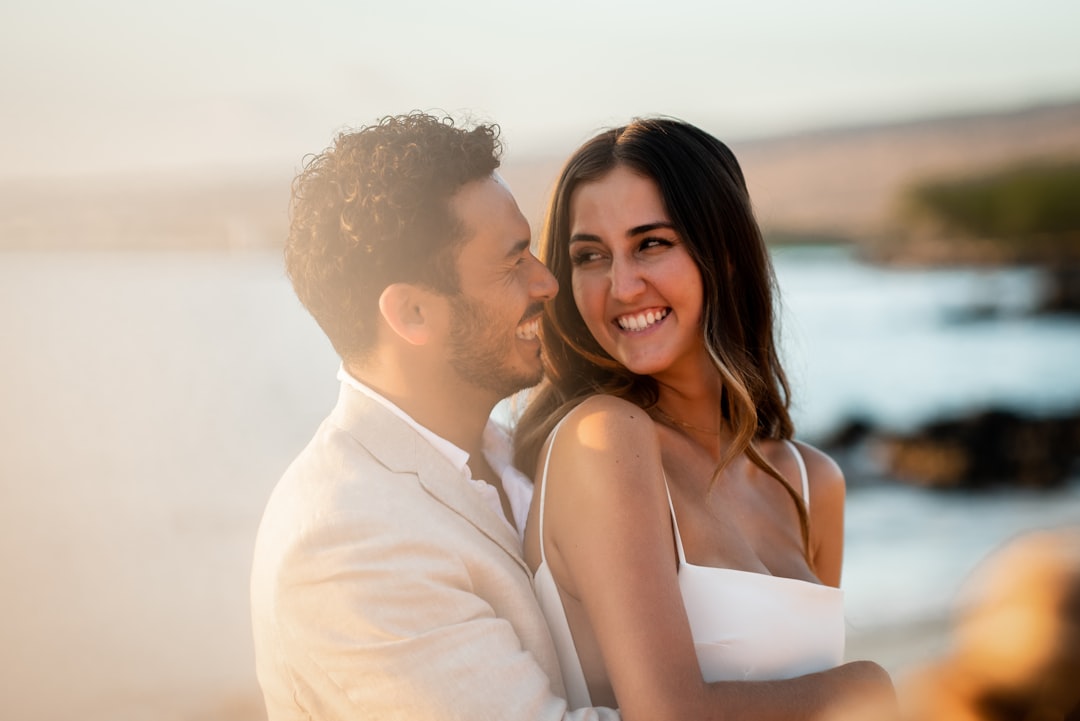
Finding the best wedding photographers in the US for 2026 depends less on a single nationwide ranking and more on where your wedding sits on the map. A Manhattan hotel wedding needs different instincts than a Napa Valley vineyard ceremony, and both look nothing like a Charleston plantation venue or a Big Sur elopement. This guide breaks the country down by region and major city, flags typical price ranges, and links directly to every live city-specific photographer page on Tov Studio so you can skip straight to the local shortlist.
TL;DR
- Expect USD 2,500 to 12,000 for experienced coverage, with New York, LA, and San Francisco skewing high and Midwest and South cities offering the best value.
- Book twelve to eighteen months ahead for Saturday dates in May, June, September, and October in any major market.
- Regional specialists almost always outperform out-of-market photographers once travel fees and venue familiarity are factored in.
- Documentary and editorial photojournalism are the dominant national styles; traditional posed coverage has returned as a small but growing niche.
- Destination markets like Napa Valley, Big Sur, and Aspen carry a seasonal premium and book out earliest.
What defines the best wedding photographers in the US
The best wedding photographers in the US typically share three traits: a strong documentary eye that captures the whole day rather than just the portrait blocks, demonstrated range across low-light reception coverage and bright outdoor ceremony work, and a regional specialism that translates to fast, confident coverage at your specific venue. National “name” photographers who fly in often produce strong images but charge travel fees of USD 1,500 to 4,000 and lack the venue familiarity that regional specialists bring. For most 2026 weddings, a top regional shooter beats a traveling national photographer on value and reliability alike.
The Northeast
New York
New York is the deepest, most expensive US wedding market. Expect USD 5,500 to 12,000+ for established photographers, with a long tail of mid-tier suppliers between USD 3,500 and 5,500. Manhattan hotel weddings at the Plaza, Carlyle, and Pierre drive the premium tier; outer-borough, Brooklyn industrial, and Hudson Valley venues anchor the mid-range. See New York wedding photographers.
Boston
Boston’s wedding market is deep, educated, and anchored around Seaport, Back Bay, and Cambridge venues. Expect USD 3,500 to 7,500 for experienced coverage. Fall-foliage weddings in late September and October book earliest. Browse Boston wedding photographers.
Washington DC
DC weddings carry a distinctive mix of diplomatic, government, and tech-corporate couples. The market skews toward documentary-editorial coverage and runs USD 3,500 to 7,000 for established shooters. See Washington DC wedding photographers.
Philadelphia
Philadelphia sits in the upper Mid-Atlantic value tier — strong editorial talent, historic venues including the Barnes Foundation and Philadelphia Museum of Art areas, and pricing that lands USD 3,000 to 6,500. Our Philadelphia wedding photographers page covers the local specialists.
Pittsburgh
Pittsburgh has emerged as one of the best-value Northeast markets with a growing destination following. Expect USD 2,500 to 5,500 for experienced shooters who handle both the industrial-river aesthetic and the classic mansion venues.
The South
Atlanta
Atlanta is the dominant Southeast market, with strong talent density and pricing USD 3,000 to 6,500 for experienced coverage. Swan House, Summerour Studio, and the Piedmont Park corridor are the most-photographed venues. See Atlanta wedding photographers.
Miami
Miami’s destination-weekend market pushes pricing up — USD 3,500 to 8,500 for established coverage. Strong demand for beach, Coral Gables, and Wynwood industrial aesthetics. Browse Miami wedding photographers.
Nashville
Nashville has grown into one of the country’s most active mid-tier wedding markets, driven by barn, vineyard, and historic Downtown venues. Expect USD 3,000 to 6,500. See Nashville wedding photographers.
Dallas and Houston
Texas’s two largest metros carry deep supplier bases and premium venue inventory. Dallas weddings run USD 3,200 to 7,000; Houston USD 3,000 to 6,500. Browse Dallas wedding photographers and Houston wedding photographers.
Austin
Austin’s mix of hill-country ranches, Downtown lofts, and lakefront venues attracts a distinct destination-wedding following. Expect USD 3,000 to 6,500. See Austin wedding photographers.
Orlando and Tampa
Florida’s two central-state metros carry heavy wedding volume year-round. Expect USD 2,800 to 6,000. Browse Portland wedding photographers for Oregon context and note that Florida markets are covered separately.
The Midwest
Chicago
Chicago is the Midwest’s largest and deepest wedding market. Expect USD 3,500 to 8,000 for established coverage. The mix of historic hotel ballrooms (Drake, Hilton Palmer House) and modern industrial venues (Salvage One, Artifact Events) drives strong stylistic range. See Chicago wedding photographers.
Minneapolis
Minneapolis is the Upper Midwest’s anchor market with strong summer and fall demand and excellent value pricing — USD 2,800 to 5,800 for experienced coverage.
Cincinnati
Cincinnati offers strong value pricing (USD 2,500 to 5,500) and a tight Ohio-Valley supplier base with deep venue familiarity.
The West
Los Angeles
LA is the West Coast’s deepest market and a destination for Southern California’s broader wedding ecosystem. Expect USD 4,000 to 9,500 for established photographers. Editorial and documentary styles dominate. See Los Angeles wedding photographers.
San Francisco
SF weddings lean premium and editorial — USD 4,500 to 10,000 for established coverage. City Hall civil-ceremony coverage is one of the market’s signature products. Browse San Francisco wedding photographers.
San Diego
San Diego’s coastal and mission-style wedding market runs USD 3,500 to 7,500. See Los Angeles wedding photographers for regional context and check the dedicated San Diego page when reviewing local talent.
Seattle and Portland
The Pacific Northwest runs on a distinctive moody-outdoor aesthetic — deep greens, coastal fog, and mountain-backed portraits. Expect USD 3,000 to 6,500 in both metros. See Seattle wedding photographers and Portland wedding photographers.
Denver
Denver’s mountain-wedding market is one of the country’s most active for destination work within the US. Expect USD 3,200 to 7,000, with premium Aspen and Vail estates pulling higher. See Denver wedding photographers.
Las Vegas
Las Vegas covers everything from chapel elopements to Red Rock desert day-trip portrait sessions. Pricing spans USD 1,200 (elopement) to 6,500 (full-day destination). Browse Las Vegas wedding photographers.
Coastal California and destination regions
Napa Valley is California’s premier wine-country destination market, with USD 5,000 to 12,000 for established destination photographers. Vineyard estate familiarity matters more here than in any other US region. See Napa Valley wedding photographers.
Big Sur, Carmel, and the Central Coast drive elopement and intimate-wedding volume year-round. Pricing runs USD 3,500 to 9,000. Coastal-permit familiarity is the differentiator.
The Southwest
The Southwest — Phoenix, Scottsdale, Tucson, Santa Fe, and the Utah red-rock corridor — forms a distinct destination market anchored by desert aesthetics and winter-season weddings. Phoenix and Scottsdale run USD 3,000 to 6,500; Santa Fe and Sedona push higher for destination coverage. See Houston wedding photographers for southern-metro pricing context.
Cost ranges by region (2026, USD)
| Region | Typical range | Premium ceiling |
|---|---|---|
| New York City | $4,500–$9,000 | $12,000+ |
| LA / San Francisco | $4,000–$9,500 | $11,000+ |
| Chicago / Boston / DC / Miami | $3,500–$7,500 | $9,500+ |
| Atlanta / Dallas / Nashville / Austin | $3,000–$6,500 | $8,500+ |
| Midwest secondary (Minneapolis, Cincinnati, Pittsburgh) | $2,500–$5,500 | $7,000+ |
| Pacific Northwest (Seattle, Portland) | $3,000–$6,500 | $8,000+ |
| Destination (Napa, Big Sur, Aspen) | $5,000–$10,000 | $12,000+ |
Seasonal calendar
Peak US wedding season runs late April through early June and early September through late October. Saturdays in these windows book out 12 to 18 months ahead in every major market. July and August are workable but dominated by destination work in cooler regions (Napa, Colorado Rockies, coastal Oregon) and by afternoon and evening ceremony formats in hotter markets (Texas, Florida, Arizona). November through March is quieter nationally, with better-value pricing and Saturday availability closer to six months out.
Regional exceptions: Southern California, Florida, and the Southwest run year-round with winter as a legitimate high-season window. Northeast and Midwest fall-foliage weddings in October book earliest of any season, often 18 to 24 months ahead.
How to choose a photographer for a US wedding
Start with region, not name. A shortlist of three to five regionally based photographers with demonstrated work at your venue almost always beats one nationally known photographer flying in. Confirm a full real-wedding gallery, not just a highlight reel — consistency across a twelve-hour day matters more than the best three frames. Check contract terms for travel, overtime, second-shooter fees, and reschedule clauses. For detailed contract and shortlisting guidance, the sibling guide on how to choose a wedding photographer covers the full process including consultation questions and deposit structures.
Booking lead times
Book 12 to 18 months ahead for any major US market in peak season. Top-tier photographers in New York, LA, San Francisco, and destination regions (Napa, Big Sur, Aspen) book 18 to 24 months out. Shoulder-season dates and intimate-wedding formats can sometimes be booked at 6 to 9 months, but expect fewer premium options. Elopement and microwedding coverage is the most flexible — 2 to 4 months of lead time is workable outside peak windows in most markets.
Frequently asked questions
How much should we budget for a US wedding photographer in 2026?
Plan for USD 3,500 to 7,500 as a national mid-tier baseline, rising to USD 5,000 to 10,000 in New York, LA, and San Francisco and to USD 5,000 to 12,000 for destination regions. Below USD 2,500 you are typically looking at newer photographers or very short coverage windows; above USD 10,000 you are in editorial or celebrity-wedding territory.
Should we hire one photographer or two?
Two shooters is the safer choice for weddings above 120 guests, for weddings with simultaneous bride-and-groom getting-ready coverage, and for venues with large ceremony spaces where a single angle cannot cover the processional and the reactions simultaneously. For intimate weddings under 60 guests, a solo shooter is usually sufficient.
Do US photographers typically include engagement sessions?
Mid-tier and premium packages usually include a 60 to 90 minute engagement session. Budget packages often exclude it or charge USD 300 to 750 as an add-on. Destination weddings often replace the engagement session with a day-after or next-day portrait trip.
What about tipping?
Tipping US wedding photographers is optional but common. USD 100 to 300 for a solo shooter and USD 50 to 150 per additional team member at the end of the day is a typical range, though not expected.
Do regional photographers travel to other states?
Yes, but with travel fees of USD 500 to 3,500 depending on distance, accommodation needs, and travel days. For weddings more than a four-hour drive from the photographer’s base, a regional specialist in the destination market is usually the better value option.
Start your shortlist
Pick the city or region closest to your venue and open the corresponding page — each lists local specialists, typical pricing, and venue notes. If you want us to build a shortlist for you, leave your wedding date, venue, and budget on the contact form. You can also head back to the global wedding photography hub to compare markets.