
The best wedding photographers in Peru in 2026 split across three structurally different markets: the deep urban bench in Lima, the destination-Andean tier anchored by Cusco and the Sacred Valley, and the smaller regional benches in Arequipa and Trujillo. Pricing, ceremony customs (specifically the civil-at-Municipalidad model alongside Catholic parish ceremonies), and the altitude logistics that shape every Cusco-region wedding day differ enough that planning needs to start with the location rather than a generic photographer search. This guide explains how each Peruvian market is structured, what realistic 2026 pricing looks like, and how to shortlist a photographer for a Peruvian wedding.
Peruvian weddings are culturally layered: a parallel civil-and-religious ceremony pattern (Municipalidad civil plus optional Catholic or evangelical parish), Andean-altitude destination weddings around Cusco and the Sacred Valley with Quechua-Catholic syncretism in some couples’ celebrations, and a coastal Lima market that operates more like other Latin American capital cities. Photographers in each market work to a recognizably different rhythm.
TL;DR
- Full-day photography ranges from USD 1,200 to USD 7,500, with Cusco and Sacred Valley destination tiers reaching USD 8,500 with multi-day packages.
- Lima has the deepest urban bench; Cusco and the Sacred Valley anchor the Andean destination tier; Arequipa and Trujillo host smaller regional markets.
- Altitude logistics shape Cusco weddings — guests acclimatise for 1 to 2 days, and the photography day plans for slower pacing.
- Only the Municipalidad civil ceremony is legally binding; Catholic, evangelical and symbolic ceremonies are separate.
- May to October is peak season; Cusco peaks May to August.
How to find the best wedding photographers in Peru by region
The right photographer search starts with the region rather than a national list. Peru’s photographer benches are regionally specific — a Lima specialist is rarely the same fit as a Cusco altitude destination photographer, and the Municipalidad civil rules apply uniformly while the altitude logistics and cultural context shift substantially across regions.
Lima: the deepest urban market
Lima hosts the majority of Peru’s working wedding photographers and the broadest stylistic range. The city’s wedding venues cluster across Miraflores (upscale-coastal restaurants and ocean-cliff venues), San Isidro (financial-district hotels and converted-mansion venues), Barranco (bohemian-historic neighborhood with colonial venues and ocean overlooks), and the country-estate venues in the Cieneguilla and Lunahuaná belts an hour or two outside the city. Pricing is competitive at the entry and mid tiers, with the premium tier sitting below comparable Cusco destination coverage.
Lima’s coastal climate (overcast much of the year, with notably less direct sunlight than most Latin American capitals) shapes the local photographer aesthetic toward soft-light, low-contrast working styles. Most Lima photographers handle Catholic mass, civil-Municipalidad, and symbolic ceremonies fluently. For a venue-by-venue and tier-by-tier breakdown, see the Lima wedding photographer market overview.
Cusco and the Sacred Valley: Andean destination tier
Cusco and the Sacred Valley anchor Peru’s most distinctive wedding photography market and one of the more globally visible Andean destination scenes. Cusco itself (3,400 metres / 11,150 feet) hosts most ceremonies in the historic centre — the Plaza de Armas, the Catedral del Cuzco, San Blas neighborhood — while reception venues split between historic-centre boutique hotels and the Sacred Valley properties around Urubamba, Yucay and Ollantaytambo (lower altitude, around 2,800 metres, and meaningfully easier on guests).
The local photographer bench in Cusco is technically strong with a strong destination-couple-experience tilt and routine bilingual coverage. Most Sacred Valley weddings are 3 to 4-day events, often with a Machu Picchu day trip the day before or two days after the ceremony, a welcome dinner the night before, the ceremony-and-reception day, and a farewell brunch. Pricing reflects the destination format: USD 3,500 to USD 8,500 for full coverage including travel.
For altitude reasons, the photography working day plans for slower pacing than equivalent Lima or coastal weddings. Equipment bag weight, hydration, and exertion management all matter more at 3,400 metres than at sea level. See the Cusco and Sacred Valley wedding photographers overview for venue and altitude detail.
Arequipa, Trujillo and the regional cities
Arequipa (Peru’s second city, in the southern Andes at 2,300 metres altitude, with a distinctive volcanic-stone colonial centre) and Trujillo (northern coastal city, with strong pre-Hispanic cultural heritage at Chan Chan) host smaller but locally strong wedding photography markets. Pricing runs 25 to 40 percent below Lima at equivalent tiers.
Arequipa’s altitude is moderate — most guests adjust without difficulty — and the city’s volcanic-stone architecture (the Centro Histórico is UNESCO-listed) provides a distinctive backdrop. The local photographer bench is smaller than Cusco’s but technically capable for regional coverage. Trujillo and the northern coast are a smaller wedding photography market overall.
Regional pricing at a glance
| Market | USD range (full day) | What changes the tier | Peak months |
|---|---|---|---|
| Lima | USD 1,200 – 5,000 | Hours, second shooter, album | Year-round (Sep – Apr lighter) |
| Cusco / Sacred Valley (destination) | USD 3,500 – 8,500 | Multi-day, altitude logistics, Machu Picchu add-on | May – Aug |
| Arequipa | USD 1,000 – 4,000 | Hours, regional travel | Apr – Oct |
| Trujillo / north coast | USD 900 – 3,500 | Hours, regional travel | May – Oct |
Cultural context: Municipalidad civil and Catholic parish
Peruvian wedding photography is shaped by the parallel civil-and-religious ceremony pattern. The Municipalidad (Registro Civil) ceremony is the only legally binding format, conducted by a civil registrar at the municipal office or, for higher-budget weddings, at the wedding venue with a registrar traveling to the site. The ceremony is short — 15 to 25 minutes — and its photographic rhythm is documentary and family-formal.
The Catholic parish ceremony is the larger event and where most wedding photography time and budget concentrates. Catholic mass ceremonies run 60 to 90 minutes with specific photographer movement rules. Lima couples sometimes consolidate the civil into a brief venue ceremony before the religious one, while Cusco and Sacred Valley couples more often photograph both formats as distinct events. Photographers who specialize in Peruvian weddings handle both rhythms fluently.
Quechua-Catholic syncretism: respectful coverage
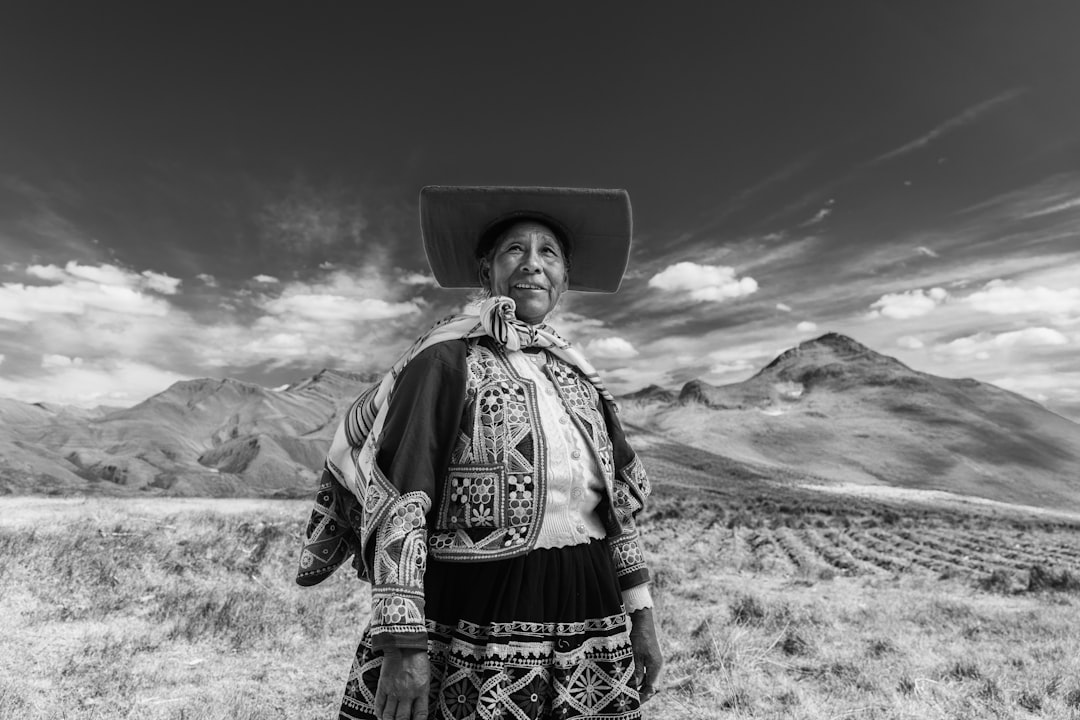
Some Peruvian weddings — particularly in Cusco, the Sacred Valley and the southern highlands around Puno — incorporate Quechua or Aymara cultural elements alongside Catholic or civil ceremonies. Common elements include traditional Andean textiles, pago a la tierra (offering to Pachamama), Quechua-language readings, and (less often, and only when the family is part of an Andean-cultural community) altomisayoq-led blessings. These are personal cultural choices rather than universal markers.
For wedding photographers, the right approach is direct: ask the family which elements should be photographed, which should be photographed but not shared publicly, and which should not be photographed at all. Avoid voyeuristic framing or treating Andean cultural elements as an exotic aesthetic. International photographers covering Cusco-region weddings should follow the family’s lead carefully, and brief any second shooter before the day.
For deeper cultural context, see the Peruvian Andean wedding traditions companion guide.
Altitude logistics and the Machu Picchu add-on
Altitude is the single most important variable in Cusco and Sacred Valley wedding photography. Cusco at 3,400 metres affects most international guests for the first 24 to 48 hours, with mild headache, shortness of breath and reduced exertion tolerance being typical. Most Cusco weddings build in a 1 to 2-day arrival buffer for guests, and many couples themselves arrive 3 to 5 days early to acclimatise. Photographers covering the working day plan for slower pacing, lighter equipment loads, and careful hydration.
The Sacred Valley at 2,800 metres is meaningfully easier on guests and is increasingly the preferred ceremony location, with Cusco hosting the welcome dinner and farewell brunch. Many couples include a Machu Picchu day trip the day before or two days after the ceremony. Some photographers cover a Machu Picchu portrait session as part of an extended wedding-week package — this requires advance permits and adds USD 800 to USD 2,500 to the total package depending on the format.
Currency and contracts
Peruvian Sol (PEN) is reasonably stable. Most established wedding photographers offer dual-currency contracts on request. International couples typically sign in USD; local Peruvian couples usually contract in PEN. Confirm the contract currency, payment schedule and deposit-refund handling before signing. The strongest photographers handle this transparently.
For broader pricing context, see the average cost of wedding photography pillar; for the universal questions worth asking any photographer, see the wedding photographer selection guide.
Seasonal timing
Peak (May to October). The dominant Peruvian wedding window, corresponding to the Andean dry season. Cusco and Sacred Valley peak May to August with the most reliable conditions. Reduced rainfall in Lima as well, though the city is overcast year-round.
Shoulder (April, November). Lower pricing, mostly favorable weather. Some afternoon rain in the highlands.
Rainy season (December to March). Limited Cusco and Sacred Valley wedding bookings outside experienced rain-handling photographers. Peak coastal Lima season for Peruvian-domestic couples wanting the warmer summer months.
How to pick a Peruvian wedding photographer
Confirm the city or region first, since the photographer bench is market-specific. Request two complete recent galleries — full weddings, not portfolio highlights. Confirm Municipalidad civil and Catholic parish ceremony experience based on which format the couple has chosen. Verify bilingual coverage if the wedding is bilingual. For Cusco or Sacred Valley weddings, confirm altitude-experience and altitude-pacing approach. For weddings incorporating Quechua or Aymara cultural elements, confirm the photographer’s familiarity with respectful coverage. Confirm Machu Picchu add-on logistics if relevant. Confirm dual-currency contract handling.
For broader context across markets worldwide, browse the global wedding photographers hub.
Putting it together
A realistic Peruvian wedding photography plan for 2026 starts with the city. If the wedding is in Lima, begin at the Lima wedding photographer market overview. If it is in Cusco or the Sacred Valley, begin at the Cusco and Sacred Valley wedding photographers overview, and layer the cultural context from the Peruvian Andean wedding traditions companion guide before signing any contract.
Shortlist three photographers per market, request two complete recent galleries each, verify ceremony format experience and altitude-handling for highland weddings, and book 9 to 14 months ahead for peak May-to-August Saturday dates in Cusco.
Reception customs and the working day
Peruvian wedding receptions are food-driven and family-centric. Lima receptions often include lomo saltado, ceviche and causa as part of a multi-course dinner, with pisco-sour cocktails as the canonical opening drink. Cusco and Sacred Valley receptions lean more on Andean cuisine — alpaca steak, quinoa-based dishes, regional potatoes — and often include traditional chicha-de-jora as part of the cultural elements when the couple has Andean heritage. Cake-cut moments typically land around midnight, with the late-night dance segment running to 2am or 3am.
The working photographer day plans for 10 to 12 hours in Lima and 12 to 14 hours for Cusco-region weddings (longer to accommodate altitude pacing). Multi-day Sacred Valley packages frequently run across 3 to 4 days with welcome dinner, ceremony-and-reception, and farewell brunch coverage. Reputable Peruvian photographers build coverage windows that match the planned reception length and the altitude-pacing requirements, with overtime handling spelled out per hour in the contract.
Common booking pitfalls and how to avoid them
Three booking pitfalls recur in international-couple Peruvian wedding photography searches. The first is underestimating altitude logistics for Cusco weddings — a 10-hour coverage package built for sea-level pacing leaves photographers exhausted and producing weaker work in the late-evening hours. The second is failing to plan the Machu Picchu portrait session in advance, which requires permits and additional package structure that cannot be added last-minute. The third is treating Lima and Cusco as a single market when the photographer benches and pricing structures differ meaningfully.
The fix in each case is straightforward. Build Cusco wedding packages around 12 to 14-hour coverage windows with explicit altitude pacing and equipment-bag-weight discussion. Confirm Machu Picchu add-on logistics 6 to 9 months ahead with permits and travel coordination handled by the photographer or a coordinator. Choose the photographer based on the wedding location, with a Lima photographer for Lima weddings and a Cusco-Sacred-Valley specialist for highland weddings.
Some links in this article are affiliate links to booking platforms. They do not cost you anything extra and we earn a small commission when a booking is made.