
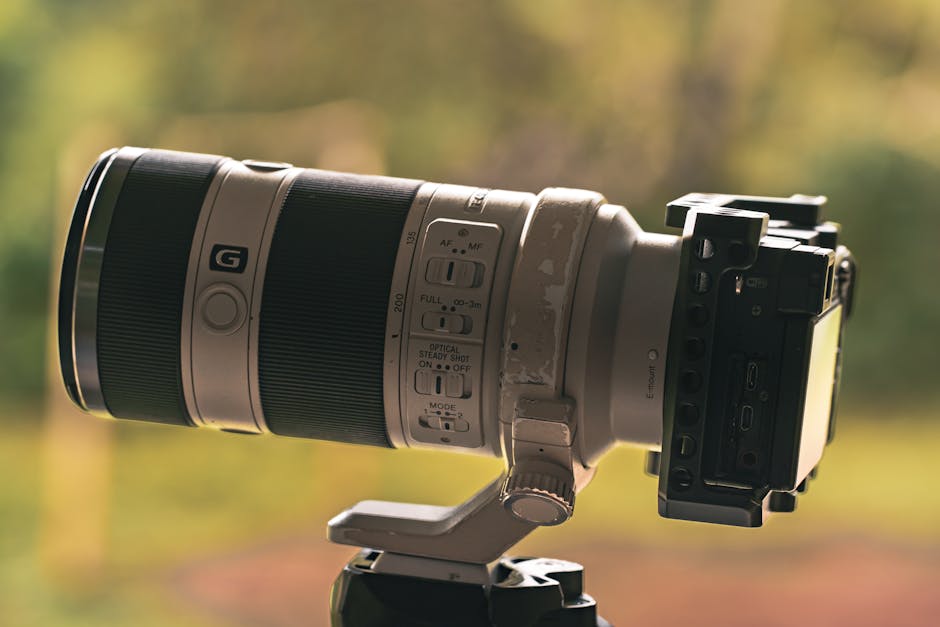
When the action is far away, a telephoto lens is the difference between a frame-filling shot and a tiny speck. Wildlife, sports, birds in flight, distant landscapes, and even compressed portraits all rely on long glass. This guide to the best telephoto lenses explains the trade-offs between zooms and primes, how aperture affects autofocus and low light, and which current options from Canon, Nikon, Sony, Sigma, and Tamron deliver the most reach for the money.
As an Amazon Associate we earn from qualifying purchases. Some links in this article are affiliate links — they don't cost you anything extra.
Editor’s pick for the best telephoto lenses
Our overall favorite is the category of versatile super-tele zooms, led by the Sony FE 200-600mm f/5.6-6.3 G OSS. It gives wildlife and sports shooters a massive reach range, internal zoom that keeps the lens balanced, and reliable autofocus, all without the eye-watering cost of an exotic prime. Canon shooters should look at the Canon RF 100-500mm f/4.5-7.1L IS USM, and Nikon Z owners at the NIKKOR Z 180-600mm f/5.6-6.3 VR, which both occupy the same sweet spot of reach, weight, and price.
What to look for in a telephoto lens
Focal length and reach drive everything. A 70-200mm covers events, portraits, and field sports from the sidelines. For wildlife and birds you generally want 400mm or more, and a 600mm zoom or prime is the practical target for small, distant subjects.
Maximum aperture is the big cost and weight lever. A fast f/2.8 70-200mm freezes indoor sports and isolates subjects beautifully but is heavy and expensive. Variable-aperture super-tele zooms (f/5.6-6.3) are far lighter and more affordable; modern mirrorless bodies focus well even at these slower apertures in good light.
Stabilization and autofocus are essential at long focal lengths, where any shake is exaggerated and subjects move fast. Look for in-lens OIS/VR plus fast, quiet linear AF motors. Internal zoom designs (the barrel does not extend) balance better on a gimbal and keep dust out.
The best telephoto lenses for every use
Best all-around (70-200mm f/2.8): The Canon RF 70-200mm f/2.8L IS USM, Nikon NIKKOR Z 70-200mm f/2.8 VR S, and Sony FE 70-200mm f/2.8 GM OSS II are the workhorses of wedding, event, and sports photographers. The Tamron 70-180mm f/2.8 is a lighter, cheaper Sony-mount alternative.
Best wildlife and birding zoom: The Sony FE 200-600mm, Nikon Z 180-600mm, and Sigma 150-600mm Sports/Contemporary offer the reach serious nature shooters need without breaking six figures.
Best value super-tele: The Tamron 150-500mm f/5-6.7 Di III VC VXD is compact and affordable, making 500mm reach accessible to enthusiasts on Sony and Fujifilm.
Best for sports and reach on a budget: The Canon RF 100-500mm f/4.5-7.1L IS USM pairs with RF teleconverters for extra reach, while the Nikon Z 100-400mm f/4.5-5.6 VR S is a sharp, lighter option.
Best exotic prime: When budget allows, fixed super-tele primes like the Canon RF 600mm f/4L IS USM and Sony FE 400mm f/2.8 GM OSS deliver the ultimate in sharpness, autofocus speed, and low-light performance for professionals.
Buying considerations
Long lenses are heavy, so handling matters. Consider a monopod or gimbal head for extended sessions, and check the tripod collar quality. Teleconverters (1.4x and 2x) extend reach but cost you a stop or two of light and a little sharpness, so confirm compatibility before buying. Weather sealing is worth prioritizing if you shoot wildlife outdoors in all conditions.
Match the lens to your body’s autofocus. A slower variable-aperture zoom shines on a modern mirrorless camera with subject-detection AF but may struggle on older bodies in dim light. And remember crop-sensor bodies multiply the effective reach, which can be an advantage for distant wildlife.
Telephoto lens FAQ
What focal length do I need for wildlife? Aim for at least 400mm, and ideally 500-600mm, for small or shy animals and birds. A crop-sensor body effectively extends that reach.
Is a 70-200mm enough for sports? For indoor or sideline sports a 70-200mm f/2.8 is excellent, but field sports and stadiums often call for 300-600mm to fill the frame.
Do teleconverters hurt image quality? They reduce light by one to two stops and can slightly soften images, but high-quality matched teleconverters perform well, especially on the lens’s strongest apertures.
Zoom or prime for telephoto? Zooms offer flexibility and value and suit most enthusiasts. Primes win on sharpness, maximum aperture, and autofocus speed, which professionals need but pay heavily for.
Do I need a tripod for telephoto shooting? Stabilization helps handheld, but a monopod or gimbal greatly improves sharpness and reduces fatigue with heavy super-telephoto lenses during long sessions.
🛒 Shop the gear: Browse all lenses in our shop →