
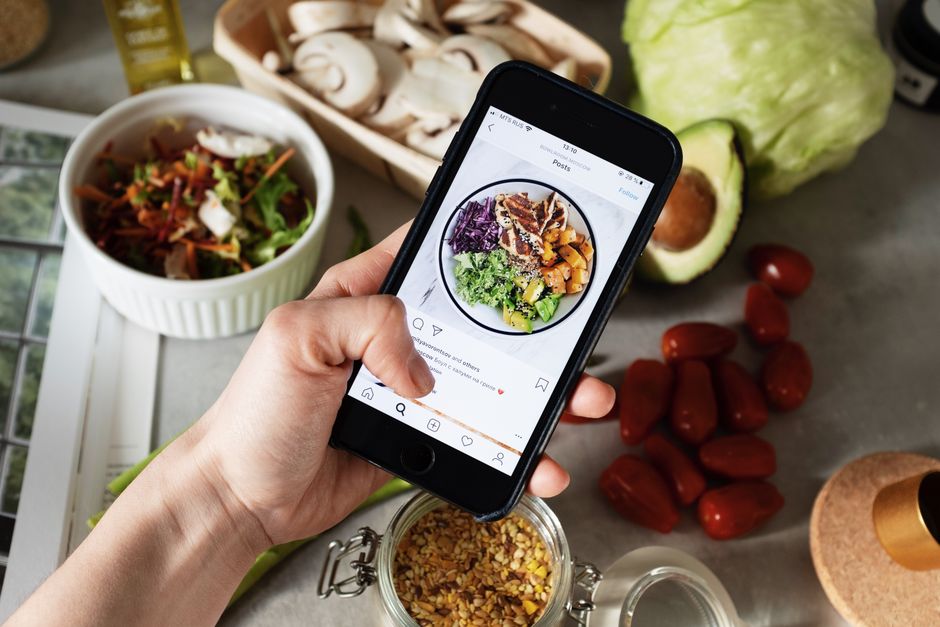
Food photography rewards detail, color accuracy, and control over depth of field. Whether you shoot for a restaurant menu, a recipe blog, a cookbook, or social media, your camera needs to render textures, steam, and rich tones in a way that makes the dish look irresistible. This guide to the best cameras for food photography walks through what actually matters at the table and recommends real camera lines that food shooters rely on every day.
Good news: food does not run away, so you rarely need blazing autofocus or sports-grade frame rates. Instead, you want resolution for crops, excellent color science, a tilting screen for awkward overhead angles, and access to fast prime and macro lenses. Below we group picks by who they suit best.
As an Amazon Associate we earn from qualifying purchases. Some links in this article are affiliate links — they don't cost you anything extra.
What to look for in the best cameras for food photography
Resolution helps you crop tight on garnishes and print large for menus, so 24 to 45 megapixels is a comfortable range. A tilting or fully articulating rear screen is close to essential because you will shoot a lot of flat-lay and 45-degree angles where peering through a viewfinder is impractical. Tethering support lets you preview on a laptop and adjust styling between frames, which is a workflow staple for commercial food work.
Color rendering matters more than raw specs. Cameras with pleasing, accurate skin-and-food tones reduce editing time. Finally, lens ecosystem is decisive: you want access to a sharp macro lens and a fast normal prime such as a 50mm or 85mm equivalent.
Best full-frame cameras for serious food shooters
Full-frame sensors deliver shallow depth of field and clean files for editorial and commercial work. The Sony a7 IV balances resolution, color, and a vari-angle screen. The Canon EOS R6 Mark II offers Canon’s well-loved color and excellent tethering, while the Nikon Z6 III pairs strong dynamic range with a bright viewfinder. Each has access to superb macro lenses for plating detail.
Best high-resolution cameras for commercial and print
If your images appear in cookbooks, on billboards, or in print catalogs, more megapixels give you cropping latitude and fine texture. The Sony a7R V and the Canon EOS R5 sit around 45 to 61 megapixels and resolve crumb, sheen, and steam beautifully. For the ultimate in detail, medium-format options like the Fujifilm GFX series produce files with exceptional tonal smoothness, popular in high-end studio food work.
Best value and crop-sensor options
You do not need full-frame to make food look great in controlled light. The Fujifilm X-T5 offers film-simulation color that many food bloggers love straight out of camera, while the Canon EOS R7 and Sony a6700 deliver strong resolution at a friendlier price. Micro Four Thirds bodies like the OM System OM-5 pair with excellent compact macro lenses for tabletop work.
Buying considerations
Plan your lens budget alongside the body. A dedicated macro and one fast prime will do most of the heavy lifting. Invest in a sturdy tripod for consistent framing and slow shutter speeds in window light, plus a way to control light, whether that is a diffuser by a window or a small strobe with a softbox. If you shoot tethered, confirm the camera works smoothly with your editing software before committing.
Frequently asked questions
Do I need a full-frame camera for food photography? No. Crop-sensor and Micro Four Thirds cameras produce excellent food images, especially in controlled light. Full-frame helps most when you want very shallow depth of field or large prints.
What lens should I start with? A macro lens is the most useful single choice for food because it focuses closely and renders fine texture. A fast 50mm-equivalent prime is a great second lens for plated and lifestyle shots.
Is a tilting screen really necessary? It is a huge convenience. Overhead flat-lays and low table angles are far easier when you can see the screen without contorting yourself, so an articulating display saves time on every shoot.
Should I shoot in natural light or with strobes? Window light is beautiful and free, and many food photographers use it exclusively. Strobes give consistent results regardless of time of day, which matters for commercial deadlines.
How many megapixels do I need? Around 24 megapixels is plenty for web and most print. If you crop aggressively or shoot for large-format print, 45 megapixels or more gives extra headroom.
🛒 Shop the gear: Browse all cameras in our shop →